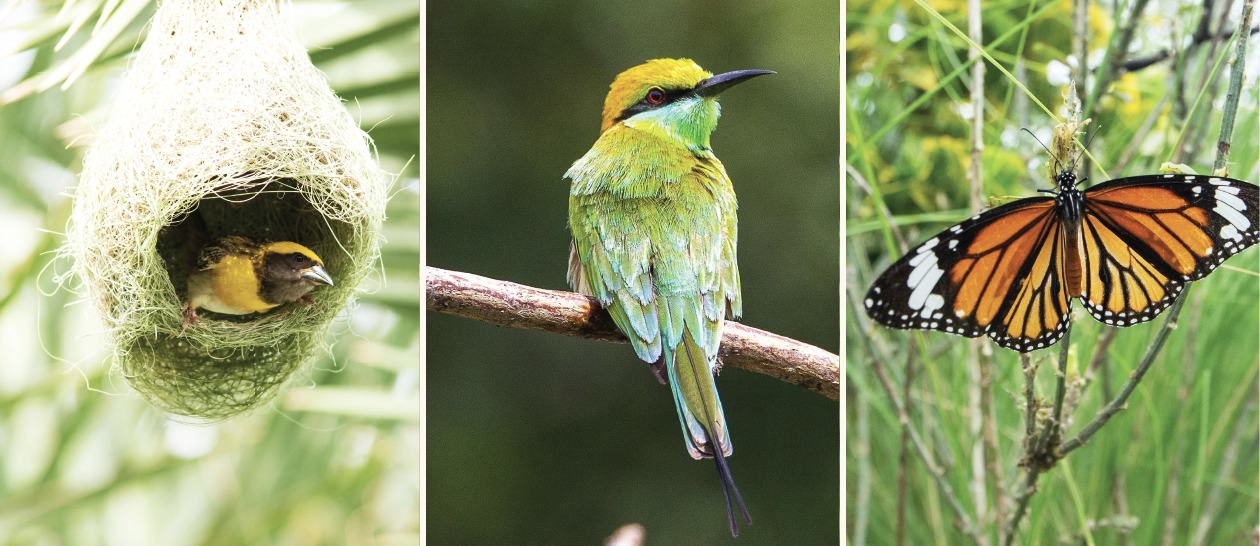
B. RATHINASABAPATHY draws us into a living landscape where birds, butterflies, and moths become gentle guides to attentiveness, balance, and a more intimate relationship with nature.
In nature, even a pair of fragile wings carries a message—color to inspire us, and camouflage to protect life’s quiet miracles.
As the New Year 2026 dawns, Kanha awakens in a symphony of color, song, and silent wings. Nearly 200 species of our winged friends—including ninety birds, seventy butterflies, and forty moths—call this campus home, each with its own rhythm and grace. From the bright melodies of day to the quiet guardians of night, Kanha’s winged world reflects nature’s perfect balance. They invite us to pause, observe, and welcome a year filled with awareness, harmony, and wonder.
At dawn, when the first shaft of sunlight touches the earth, the day begins not just with light, but with song—the sweet, liquid notes of the koel drifting through the still air.
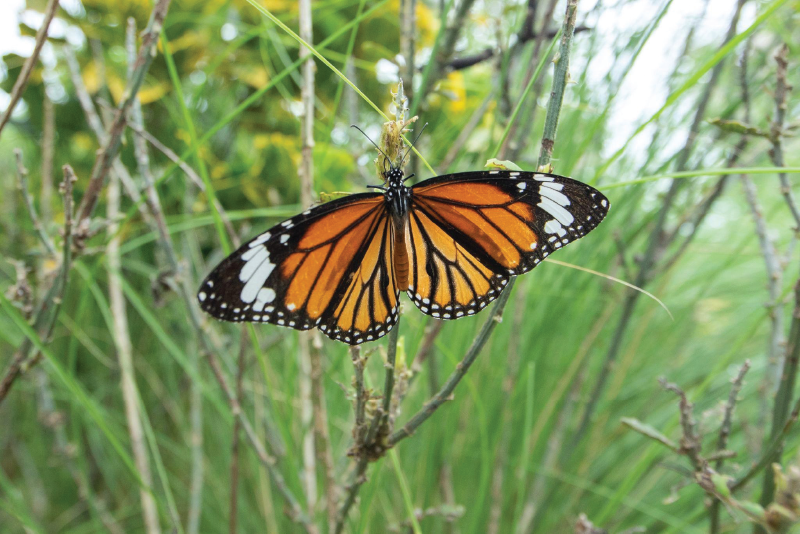
A moment later, the bold call of the peacock rises like a trumpet of awakening, echoing across trees and open spaces. Together, they open the curtain of morning, inviting the world to breathe, listen, and come alive. And then, from a flower touched by the sun’s first gold, a spark of color lifts—a butterfly beginning its graceful day’s journey.
As dusk settles and soft lamps glow, their nighttime companion emerges: the moth, stepping gently from the shadows, wrapped in the magic of perfect camouflage. Between them, day and night share a silent dialogue of color, sound, and stillness—reminding us that nature speaks in subtle shades, not in noise.
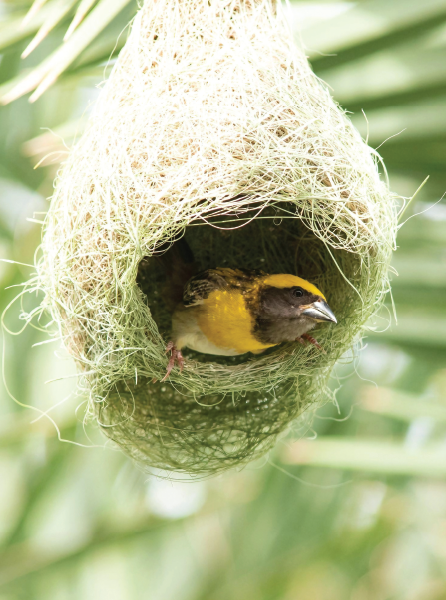
The Poetry of Transformation
Every butterfly, moth, and bird carries a story of wonder. For butterflies and moths, it is the miracle of metamorphosis—an egg becoming a caterpillar, a caterpillar surrendering into a cocoon, and from that stillness, emerging as a winged being of effortless beauty. For birds, transformation takes the form of learning to fly—from the trembling first flutter of a fledgling to the confident arcs of adults tracing patterns across the sky. Their journeys mirror our own inner evolution toward lightness, clarity, and higher consciousness.
More Than Beauty: An Ecological Gift
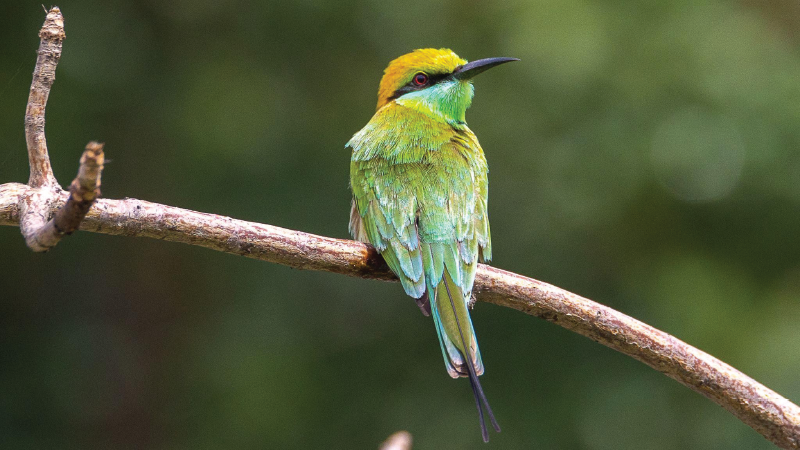
Butterflies, with their vibrant colors, silently pollinate our gardens and forests. Moths—understated yet essential—continue pollinating long after sunset, becoming a vital food source for birds, bats, and countless small creatures. Birds, in turn, maintain the balance of ecosystems: bee-eaters controlling insect swarms, bulbuls and barbets dispersing seeds, kingfishers shaping pond life, and owls guarding the night. Together, these beings weave the invisible threads that keep nature alive.
Moths: The Quiet Masters of Camouflage
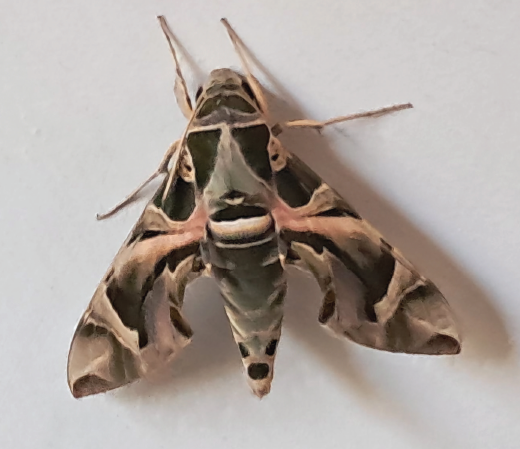
If butterflies celebrate color, moths celebrate stillness. Their earthy browns and greys let them vanish into bark, leaves, and shadows—a lesson in humility and adaptation. Yet under gentle light, their patterns open like secrets: intricate lines, silken textures, and wings broader than a human hand in some tropical giants. Beauty, they remind us, need not be loud.
Birds: The Voices and Soul of the Landscape
Birds bring movement to the canopy and music to the air. The koel’s melody, the peacock’s call, the soft chatter of tailorbirds, the rhythmic drumming of woodpeckers, and the comforting coos of doves give the landscape a heartbeat. Some, like sunbirds, share the butterflies’ work—sipping nectar and carrying pollen. Others, like flycatchers and drongos, help maintain the insect balance, keeping forests healthy.
Welcoming Them into Our Gardens
A butterfly-and bird-friendly space is a sanctuary of life. Plant nectar blooms like Eranthemum, Ixora, Clerodendrum, and other wildflowers. Grow host plants such as curry leaves for Common Mormons. Add fruiting species for birds: Fig, Guava, Mulberry, Carissa, and Indian cherry.
Symbols of Lightness and Inner Freedom
Across cultures, butterflies symbolize the soul’s freedom. Birds symbolize aspiration, vision, and spiritual ascent. Moths symbolize trust in the unseen—the ability to move through darkness with quiet confidence. Together, they teach us to live lightly, surrender gently, and embrace change with grace.
The Final Whisper
Brilliant like butterflies or subtly toned like moths, these winged messengers teach us: Nature’s use of color to express and camouflage to protect is essential for survival, balance, and beauty.
As we nurture these delicate lives, we cultivate a deeper connection to nature’s wisdom—a reminder that transformation, like a moth’s silent flight, happens softly but surely.
Thanks to planned water-body restoration and the steady growth of vegetation cover, Kanha has become a welcoming refuge for countless winged friends. Their indispensable roles in seed dispersal and pollination—tasks no other beings can truly replace—continue to enrich the landscape. In the coming years, this sanctuary will flourish even further, evolving into a paradise for birds, butterflies, and moths, as seen in the finest forests and sanctuaries. Kanha stands as a living example of how thoughtful care can restore nature’s balance and beauty.
Butterflies survive through visibility; moths through concealment. Together, they remind us that nature thrives in balance—knowing when to shine and when to withdraw.

B. Rathinasabapathy
B. Rathinasabapathy is an ecologist with 37 years of experience in forest restoration, biodiversity conservation, and environmental education. He has led ecological projects across India, including the Western... Read More
