When Fear Becomes Power: The Goddess Who Transforms Survivors With Comics
In her profile of RAM DEVINENI, PURNIMA RAMAKRISHNAN traces his journey from documentary filmmaker to comic-book innovator and explores how he fused Indian mythology with Augmented Reality to create tools of empowerment and cultural change.
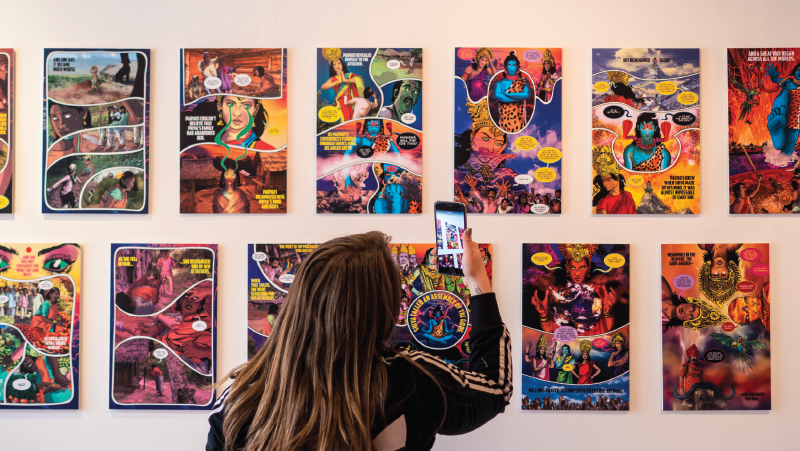
Sometimes, the most powerful tools for social change come wrapped in unexpected packages. In India, that package arrived in the form of a comic book featuring an ancient goddess, Parvati, walking beside modern survivors, tigers transforming from predators into companions, and Augmented Reality (AR) bringing mythology to life on smartphone screens.
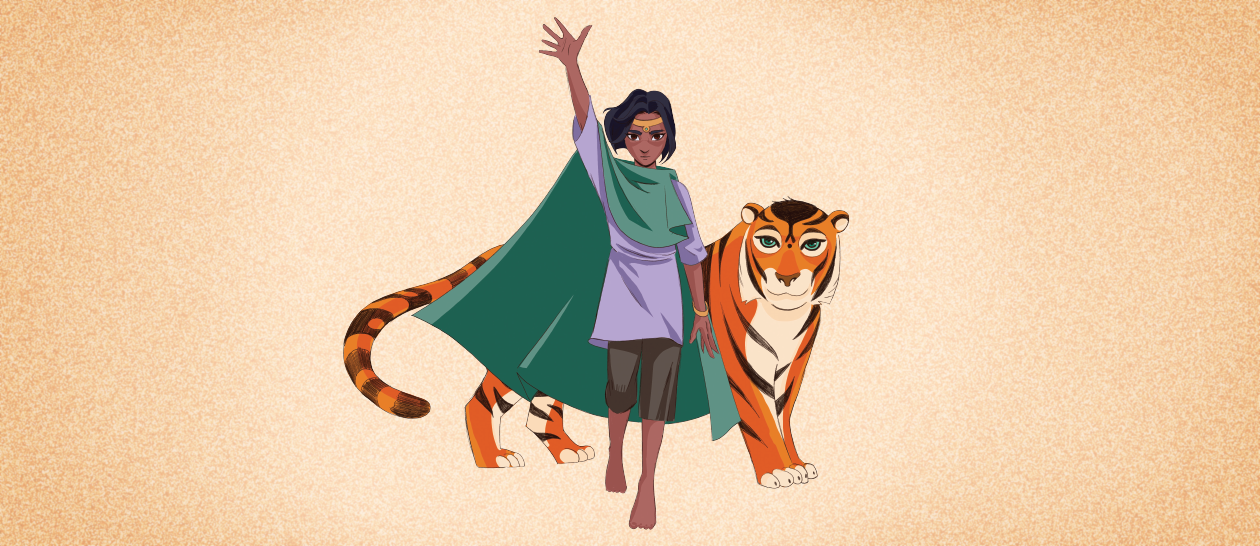
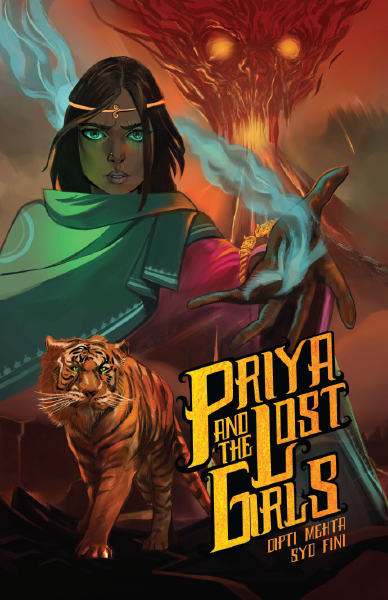
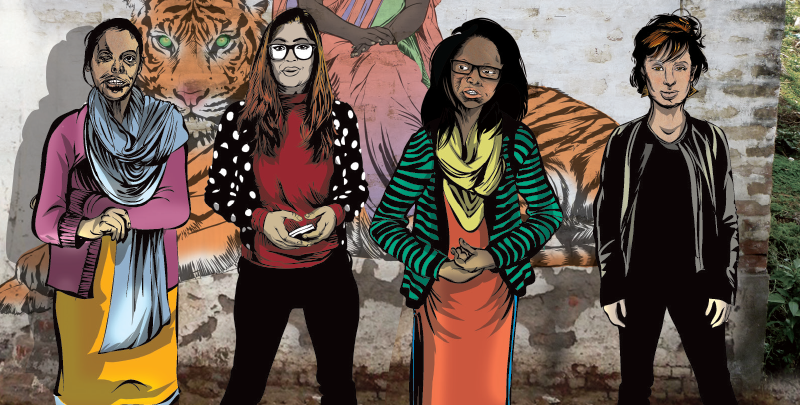
Priya’s Shakti is the creation of Ram Devineni, a filmmaker who spent thirteen years building a bridge between India’s mythological heritage and urgent contemporary needs. Priya is the protagonist of the series, shaped from the experiences of gender violence survivors that Ram met in Delhi. She appears alongside her tiger companion in a narrative along with various mythological figures. This project draws on familiar themes within Sanatana Dharma: facing fear, building inner strength, and using persuasion to shift understanding.
The single comic book from 2014 has now grown into a movement spanning India, Colombia, and beyond, addressing issues ranging from dignity and justice to climate change and public health. At its heart lies a simple but profound belief: humans must solve their own problems, and culture, not mere law, holds the key to lasting transformation.
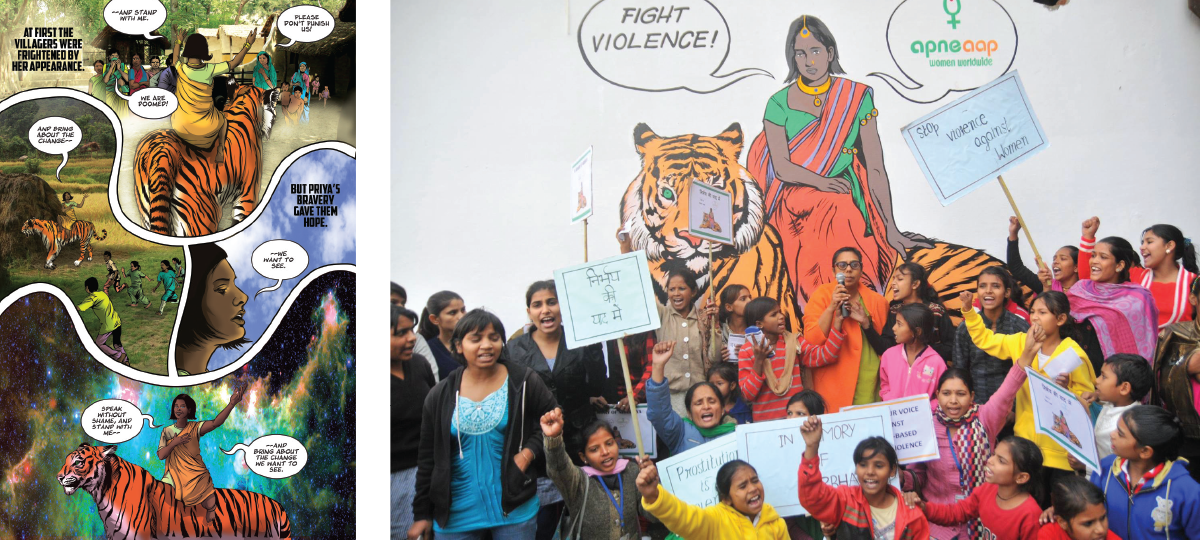
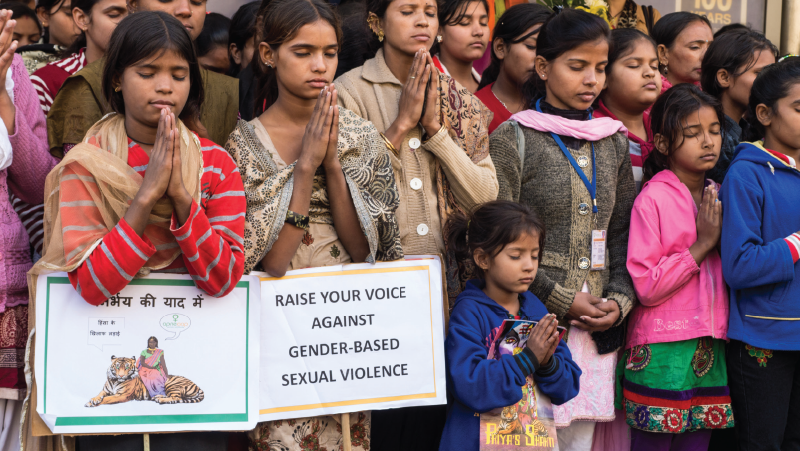
Devineni’s path to this realization began unexpectedly in December 2012, when he was in New Delhi working on an unrelated documentary project. A tragic incident of gender violence against a woman had sparked massive protests across the city, with young people especially flooding the streets, demanding not just legal reform but a fundamental shift in how society perceived and treated women.
Out of curiosity, Devineni attended one of the rallies, where he spoke with a Delhi police officer, asking what he thought about the protests and the situation at hand.
The officer’s response stayed with him: No good girl walks home alone at night.
The implication was clear: Victims somehow deserved or provoked what happened to them. For Devineni, who had grown up in the United States despite being born in India, this revealed something profound.
“When I heard that, I knew immediately that the problem was not a legal problem,” Devineni recalls. “It was a cultural problem.”
Choosing the Right Medium
Devineni’s first instinct was to return to familiar territory—to make a documentary. But he realized it would be nearly impossible at that moment, and more critically, if he were to reach young people, it probably wouldn’t be through a documentary anyway.
The answer came from his childhood in Eluru, a small, remote village in India. In his childhood, before television shows and the expansion of media, most of his lens was through comics, especially Indian mythological comic books like Jataka Tales and similar stories.
“We used to have just stacks of them,” he recalls. “I would learn about not only Indian mythology, but also about history and cultures from different parts of the world through these comic books. So they were a big influence on me.”
Ram spent six to seven months researching gender violence, speaking with NGOs, experts, and survivors. Their stories shaped the concept that became the comic book.
The Mythology of Fear and Transformation
As Devineni looked back at Indian mythological comics, he noticed a typical pattern in those stories. Humans would often call upon the gods for help when they were in a predicament, and the gods would get involved. Yet in most cases, humans eventually had to solve their own problems.
This observation led him to consider mixing mythology with the story he wanted to tell. He emphasizes that he wasn’t trying to promote any faith through mythological stories, but he realized that faith-based traditions were a powerful vehicle for discussing problems.
When Devineni talked with survivors, he learned that the first stage after a horrible trauma is fear. The fear of what happened to them would keep them from moving forward. That fear came from many factors, of course, the incident itself, but also the fear of repercussions they would face from their family or their community, where they were often perceived as the instigators rather than the victims.
The survivors who overcame those fears transformed themselves from victims to survivors. This is why Devineni consistently uses the word “survivor”: a survivor is someone who can eventually, not necessarily completely overcome that fear, but enough to move ahead with their lives and use it in some way to find justice, to find healing. That transformation was very similar to what he read about Indian mythology.
These wisdom traditions, he discovered, are not as anachronistic as many think. The foundational principles, overcoming fear and building confidence, remain deeply relevant.
Magic in the Sistine Chapel
The integration of AR into the comic books came from an unlikely source and wasn’t part of Devineni’s initial thinking. One day, while visiting the Sistine Chapel in Vatican City, Devineni stood looking at Michelangelo’s frescoes and artwork. Anyone who’s been to the Sistine Chapel realizes two things: the artwork is super high up in the ceiling and very difficult to see, and it’s broken into square panels that tell different stories about humanity and our relationship with God.
He held his phone up and used the back camera to zoom in so he could see those small panels of stories. Looking at Michelangelo’s artwork in the Sistine Chapel, broken into panels, he had a realization: it’s literally one of the greatest comic books ever drawn. Comic books are called “sequential art” because they tell a story through a sequence of panels. The Sistine Chapel does the same thing.
Then another idea struck him: he could create a multi-layered overlay on a comic book panel. Initially, Ram didn’t know how to achieve this. His visit to the Sistine Chapel occurred in 2012 or 2013, before AR, which can turn a comic book into a pop-up book, was widespread. There’s an organic nature to AR and art, especially comics. It just feels right for that medium. Ram found an AR company online and reached out to them. They loved the project.
Ram created different pages where various animations popped out of the comic, allowing people to engage with them. Other parts featured videos or other stories popping out, stories from survivors, so that people could get more out of it. People could read the comic from page to page without AR, but they could also go back and scan each page with their phones to see all those elements come to life.
It was groundbreaking because no one was doing this in 2013.
“When we showed people this, it was like magic,” Devineni recalls. “It was just quite fantastic.
When Survivors Become Co-Creators
The women whose stories inspired Priya’s Shakti were integral partners in the creative process and powerful advocates for the work itself. This collaboration began with a foundational decision: the comics would never depict violence directly. Instead, they would focus on resilience, transformation, and survivors’ power to reshape cultural narratives. The emphasis would always be on the journey from trauma to agency.
With the first comic, there were sensitivities around how survivors could share their stories publicly, which required careful navigation and respect for their circumstances.
With their second comic, Priya’s Mirror, the narrative and timing were different. Many of the acid attack survivors were able to step forward more openly, appearing in the media with the team and speaking about their experiences. They became advocates not only for the comic book but for themselves and their communities.
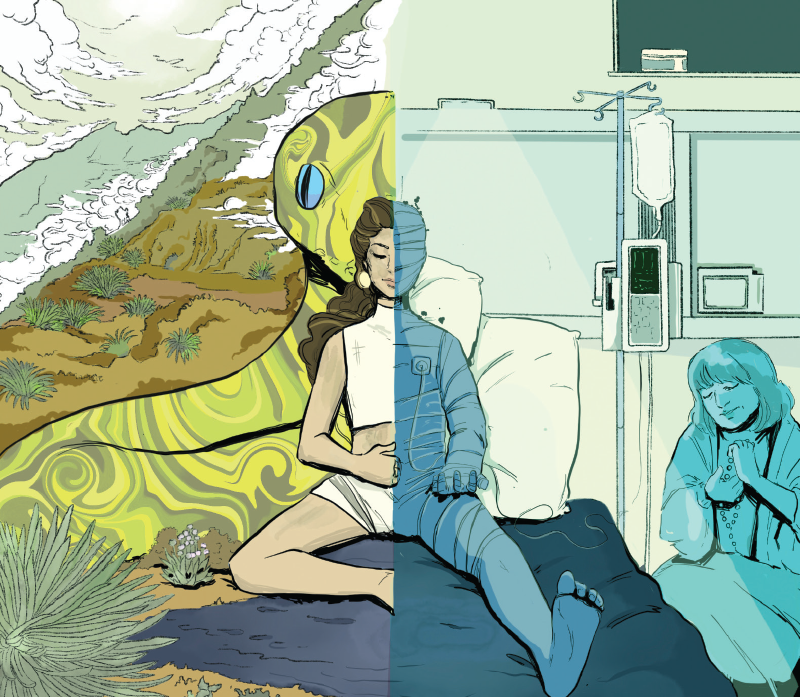
The survivors were always involved in developing the story and then in its promotion and presentation. The comic book became part of their toolbox, a means to talk about what happened, how they’ve been transformed, and how they’re working to transform society.
Ripples of Change
Measuring cultural transformation is less about statistics and more about shifts in consciousness. For Devineni, success revealed itself in unexpected ways.
When Priya’s Shakti launched in 2014, it sparked conversations that hadn’t been happening before. Media coverage shifted from focusing solely on perpetrators and legal proceedings to exploring the experiences and resilience of survivors themselves. Social media, newspapers, and television began asking different questions, centering different voices.
“That shift in focus felt significant,” Devineni reflects.
But the real evolution came with their second comic, Priya’s Mirror. Learning from their first experience, the team refined their approach. They also expanded their partnerships, collaborating with NGOs focused on similar issues in India, Colombia, the U.K., and beyond. These organizations embraced the comic as a tool for their own advocacy, education, and community work.
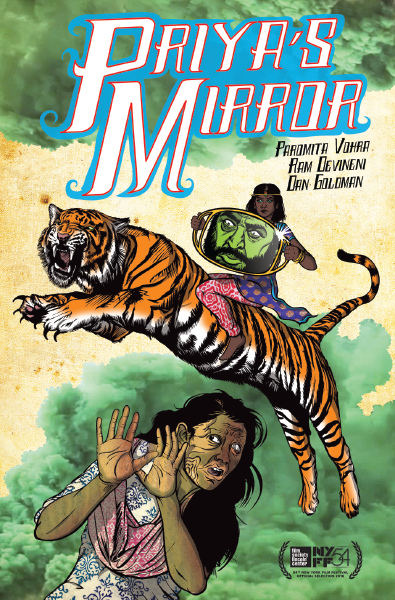
The progression from the first comic to the second showed the power of iteration and learning. Each project deepened Ram’s understanding of how to create meaningful impact, amplify voices that needed to be heard, and build resources that communities could claim as their own.
Personal Evolution and Philosophy
Working on these issues for thirteen years across India, Colombia, and beyond, Devineni has gotten very close to survivors’ stories. The work is deeply emotional.
“I always thought that I had to do it properly and right,” he reflects. “That was very critical to me, to make sure that their stories and their feelings are really understood in the comics.”
Through this journey, his own perspective on trauma, healing, empathy, and compassion has evolved considerably.
He says, “These are complicated and very intense words and topics. They have to be really understood properly.”
He himself would have never imagined doing these types of comics when he was younger. It wasn’t even remotely on his radar; he was making documentaries about entirely different topics.
But he realized that men need to be sensitized to these issues and to their own role in perpetuating or preventing them. It’s imperative that men also speak out and be part of this.
“That’s why I think it was very important that we understood when we created these comics, that we were very focused on comic books for young men, especially teenage boys,” Devineni explains. “They are the ones that read these comics and comic books in general, and it is important that we create a comic book for teenage boys. That was very critical for me.”
Spirituality and Activism
The spiritual dimensions of the storytelling required Devineni to spend an enormous amount of time understanding Indian mythology and its philosophical underpinnings.
He grew up on Joseph Campbell, the great mythologist who explored comparative mythology and stories from different cultures, inspiring works like Star Wars. Devineni immersed himself in understanding the Indian mythological pantheon, the gods, their motivations, and their stories. He fell in love with and developed deep respect for these narratives, though he acknowledges they carry complexities. They can be very masculine, macho even. But there’s also profound truth and honesty in them, especially in stories about conquering fear.
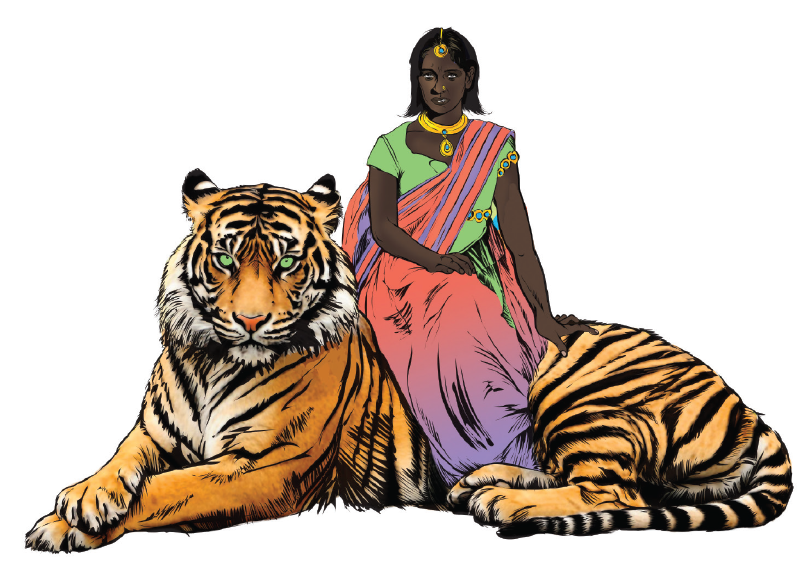
In the first comic book, Priya’s Shakti, Priya has been cast out of her village and is living in the jungle, being stalked by a tiger. One day, she climbs a tree to hide. The goddess Parvati descends and tells her she must confront the tiger. Priya climbs down, looks the tiger in the eye, and speaks a powerful mantra that transforms the tiger from fear into shakti, power. They become companions, appearing together in all subsequent comics.
The team wove these ancient philosophies and mythologies into Priya’s character. This approach differs fundamentally from how Americans approach comic books and superheroes.
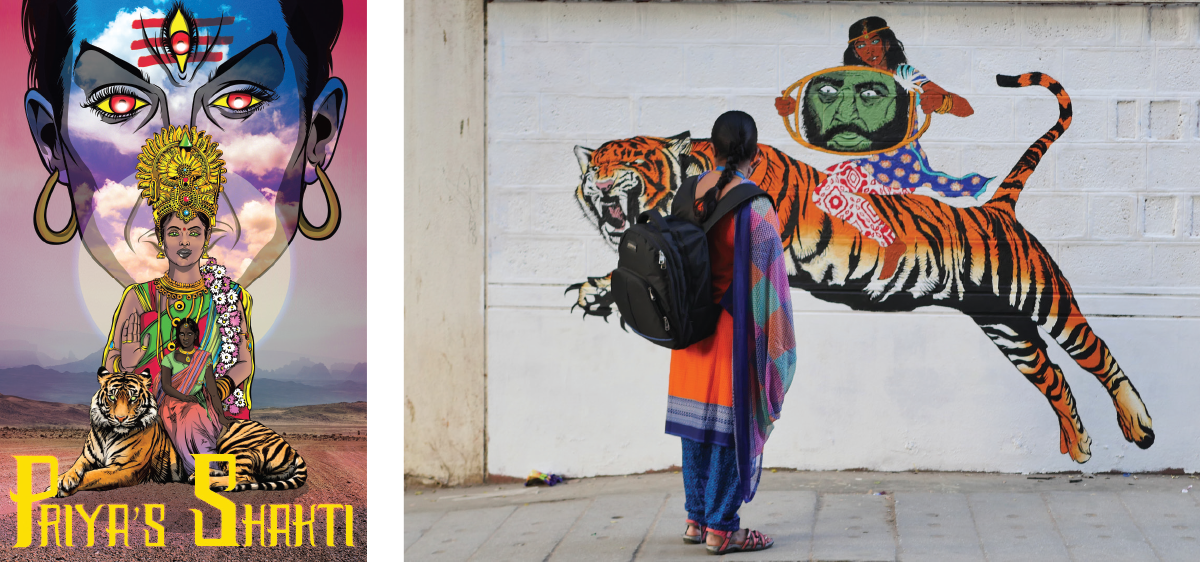
Priya is unusual because her power is the power of righteous persuasion that transforms society. This comes from Indian mythological traditions and the larger philosophical heritage of India, particularly the principles of non-violence. It stands in stark contrast to American comic philosophies centered on confrontation and violence. These comics are the reverse of what we see in American superhero stories.
New Stories, Enduring Themes
As the project evolved, Priya’s narratives expanded to embrace other critical issues while maintaining their core philosophy of transformation.
During the COVID-19 pandemic, they created Priya’s Mask, which told the story of a little girl whose mother was a nurse. The girl overcame her fears and came to understand the sacrifice her mother was making while caring for patients. This comic highlighted women’s disproportionate, often unappreciated role as caregivers, offering a different lens on the same theme of unrecognized contributions and quiet heroism.
The series also ventured into environmental storytelling with comics focused on Priya’s tiger companion, Sahas. These stories addressed climate change and deforestation, connecting ecological destruction to the broader themes of protection and preservation.
Words of Wisdom for Change Makers
For young people who want to become changemakers through socially driven art, Devineni offers clear guidance.
“Be authentic to your own art,” he emphasizes. “You have to understand where you come from as an artist before you create socially driven artwork. That is the first step to get there.”
He invokes Shakespeare: “Above all, to thine own self be true.” When you want to create something that can have an impact on social issues, it requires sincere commitment and time. He’s been doing this for 13 years, and that’s not something he did once and left and moved on from. He kept doing it because making shifts and having an impact takes time.
Sometimes these impacts are very minuscule. It might be a small community, and people should not be discouraged by the small steps that can happen. If you are authentic to your artwork, you won’t be discouraged by your results. You will feel more inspired and move forward.
The Mantra That Drives It All
“If Priya herself could deliver a message to readers, what would it be?” I asked.
Devineni doesn’t hesitate. The mantra from the first comic book, which Priya spoke, is the message:
“Speak without shame. Stand with me and bring about the change that you want to see.”
That is the core of the mantra that they have been following for thirteen years. It’s a call to action that refuses silence, rejects shame, and demands transformation, through the uniquely Indian philosophy of righteous persuasion.
Like the ancient stories where humans had to solve their own problems, Priya’s message affirms that power lies not with gods or external forces, but within. Every person has the right to walk through the world without fear. And when fear inevitably appears, it can be transformed into shakti.
The tiger, once a predator, becomes a companion. The survivor becomes a force for change. And a comic book becomes a tool for revolution, one panel, one story, one transformed life at a time.
Priya’s Shakti continues to evolve, with new stories that bridge mythology, activism, and contemporary challenges. Learn more at www.priyashakti.com
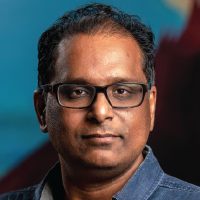
Ram Devineni
Ram Devineni is Founder and President of Rattapallax, Inc. Based in New York City and New Delhi, Devineni produces films and socially driven comics and is the creator of India’s first female comic book hero, P... Read More
