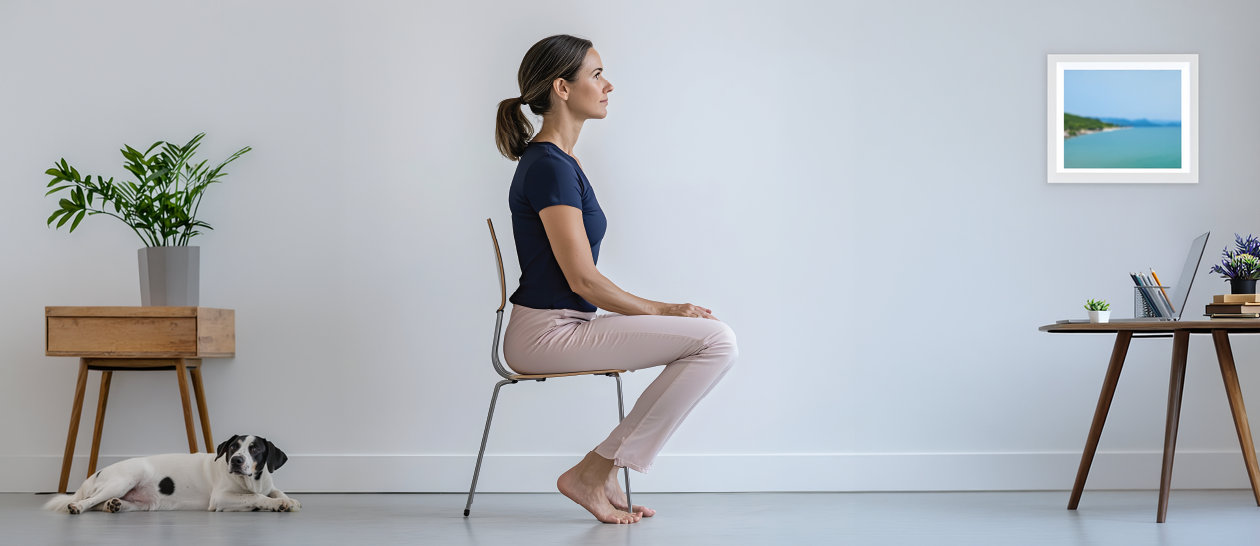
ALEXANDRA MAZEK and THOMAS HIRT show how our movements reflect and reshape our inner condition, and how fostering the body–mind–spirit connection can transform the way we experience and respond to life.
How do we embody the meditative state in daily life? What does it reveal about the way we move through the world? In this series, we explore how the way we move both reflects our inner condition and shapes it—and how paying attention to movement can help align the two.
Daaji has observed that the way we approach even a simple act—like opening a door—reflects our inner condition. The attitude we bring and the care with which we act reveal something of our state within.
Hearing this idea, I was taken back to my early teenage years. I was a nervous person: my movements erratic, my mind restless, my body tense. Sudden bursts of anger and tantrums were common. Yet the idea of being present in my actions deeply attracted me. Intuitively, I sensed that a peaceful mind is reflected in the gentleness of physical movement, just as Daaji described—but I had no real way of approaching it.
I longed to change—to become steadier and more at ease—to be someone who could sit by the riverbank and simply listen to the sound of the water, as Hermann Hesse’s Siddhartha does. I tried in different ways to arrive there. I tried yoga asanas, pranayama, meditation, and chanted mantras. I fell in love with the wrong man and tried to expand my consciousness through drugs. Inevitably, my nervous system suffered. Eventually, my body sent a signal I could not ignore: I lost my voice.
Daaji has observed that the way we approach even a
simple act—like opening a door—reflects our inner
condition. The attitude we bring and the care with
which we act reveal something of our state within.
Every attempt to speak resulted in a strangled, trembling sound that made others stare. My fear and nervousness were suddenly exposed—most painfully in moments when I wanted to appear confident. I could no longer hide what was happening within me. Perhaps this created the humility to admit that I had to start again—that I did not know, and that I wanted to learn.
Doctors were unable to help me with my voice. I then encountered the Alexander Technique, and one year later, Heartfulness meditation. Through the Alexander Technique, I learned how my habitual reactions were expressed in my body—and how they could be interrupted by consciously inhibiting unnecessary tension. It would become a critical tool in learning how to pause these patterns.
First Step: Take Care of Your Spine
In the Yoga Sutras, Patanjali lists illness (vyadhi) as the first of nine obstacles, or vikshepas, on the spiritual path. Drawing on this, Daaji points to the role of the body—particularly the alignment of the spine and head—in supporting our ability to turn inward. When the body is misaligned, it becomes harder to remain steady and receptive; when it is balanced, that support is present. “When the spine is straight, we conserve energy in another way. With the body and head upright, gravitation doesn’t lead to more energy being dissipated than needed.”
From Habit to Conscious Awareness
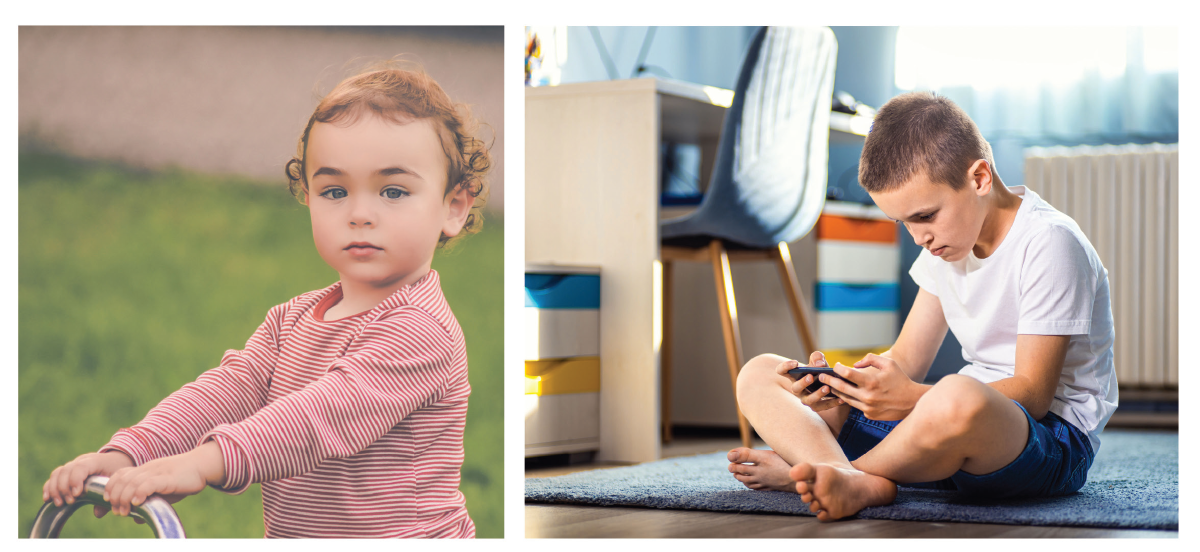
Every morning, as you get out of bed, you stand up against the pull of gravity without thinking. How did you learn to do that? Posture is shaped by habits formed in early childhood. A baby spends much of its waking time learning to move—gradually developing coordination, balance, and an internal sense of how the body is organized in space. To reach for a door handle, I rely on a subconscious sense of my arm’s length, the range of my joints, and the nerve connections that translate the wish to open the door into movement. At the same time, my body must orient itself in space—balancing against gravity on two feet. Thank goodness for movement habits, which allow all of this to happen without extra thinking. Over time, these patterns become automatic—and much of what we do happens without our awareness.
Usually, it is pain, tension, dizziness, or other disturbances (the voice, in my case) that act as inbuilt indicators that something is not as it should be—that some of our programming needs re-evaluation. This is the point at which we must become consciously interested in what we do when we sit, stand, and move, and in the internal concepts that shape our movements.
The Spine and Trunk
Let’s explore what a “straight spine” means and how the balance of the head influences it. The spine supports the body and allows us to orient ourselves in space—but where do you imagine it actually is? Where does it begin and end?
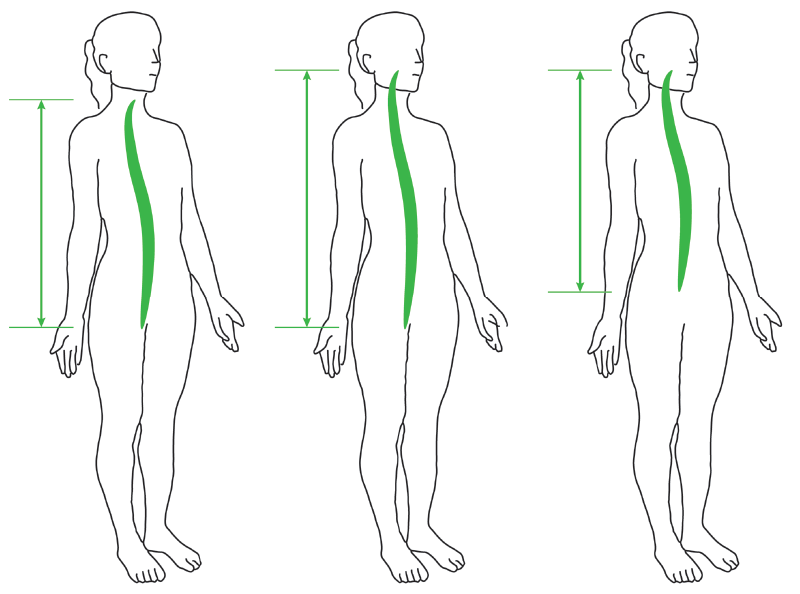
The two points that define the spine’s top and bottom are the atlas and the tailbone. Let’s call everything in between the top and lowest part of the spine the torso, which includes the neck and the pelvis (connected via the sacroiliac joints). The legs attach to the torso at the hip joints, and the head rests atop the spine at the atlanto-occipital joint.
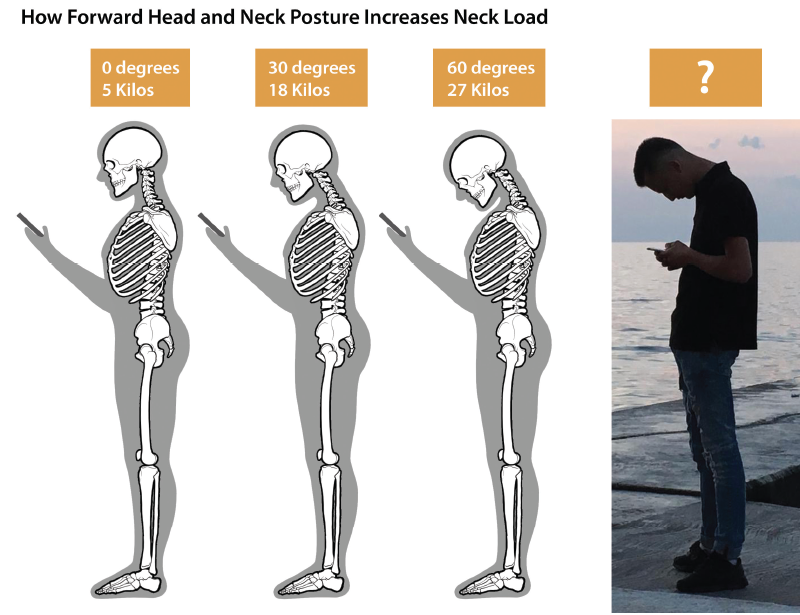
The way the head relates to the spine is especially important. For example, when looking down at your phone, you can either push your neck forward or let your head tilt at its natural joint with the spine. These are two different ways of performing the same action, with very different effects—not only on the body, but on how we experience the action itself.
How Forward Head and Neck Posture Increases Neck Load

Becoming Curious about What We Do
How do we react when we see these images? Do we want to correct others—or ourselves? Do we remember being told we have “bad posture”?
Labels like “good” or “bad” rarely bring about change. If your goal is to check your messages and you crane your neck while looking at the phone, the brain registers it as successful—you achieved the task, even if unhealthy habits were involved.
Instead of thinking in terms of right and wrong, we can become curious about what we do. The clearer we are about our actions, the more choice we have in how we carry them out.
For example, imagine yourself sitting at the table, about to eat. Which part of you moves forward? You might bend from the waist, hinge at the hip joints, move the eyes and head, or crane the neck. Each produces a different result.
Practical Explorations
To explore these relationships in your own experience, you can begin with the videos accessible via the following QR codes. They introduce key points of orientation in the body—such as the atlanto-occipital joint and the hip joints—and show how small differences in movement can change the overall coordination.
In the first video, Thomas demonstrates how the head balances and moves at its joint with the spine. 
In the second, Alexandra explores sitting and bending, showing how the relationship between the pelvis and spine affects balance and ease.
From there, you can begin to notice these same patterns in your daily activities. When you sit, where is your weight—on your sit-bones, or behind, or in front of them? When you bend forward, what initiates the movement—the hip joints or the waist? When you look at your phone, does the movement come from the eyes and head, or from the neck?
You may find it helpful to use a mirror or ask someone to take a photo—not to correct yourself, but to see more clearly what you are already doing.
Solution to the spine quiz: the middle image shows the full length of the spine—often different from how we imagine it.

Alexandra Mazek
Alexandra has practiced Heartfulness for over thirty years and is a certified Heartfulness trainer. She holds a Ph.D. in Agricultural Sciences and spent six years in research and development in Nepal. Since 19... Read More
