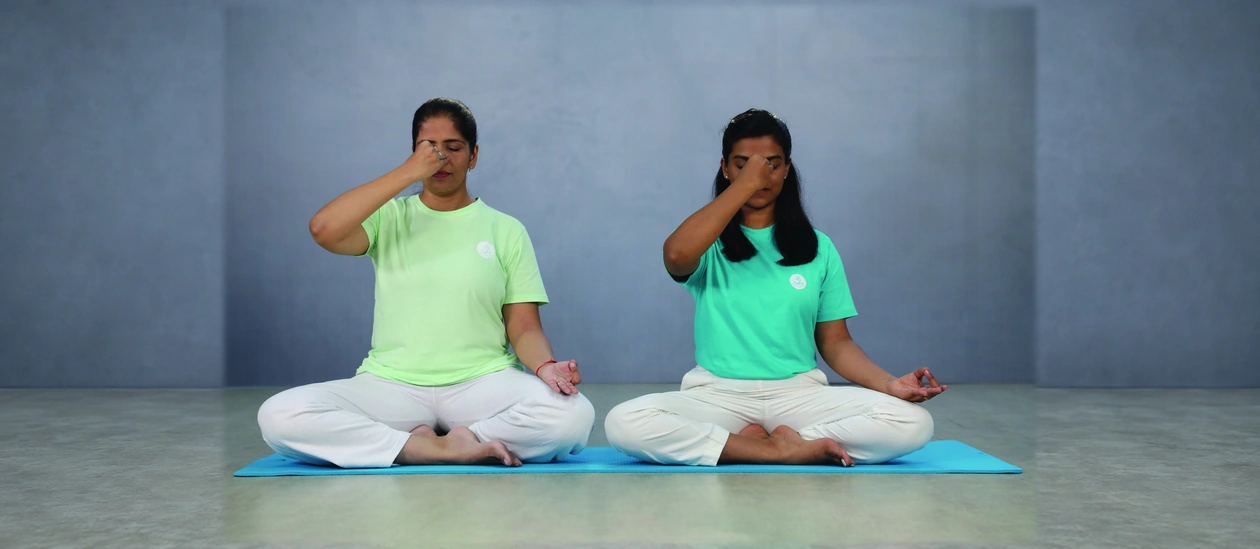
Four practitioners share how yoga has changed the way they see themselves, relate to others, and respond to everyday life.
BY BHUSHAN BHUKTE
One Practice. Many Journeys. A Way of Being.
What happens when yoga slowly moves beyond the time we spend on the mat?
For some, it begins with an asana. For others, with the breath, meditation, prayer, or simply a search for balance. We may initially approach yoga as a practice [abhyasa]—something we do for health, peace, strength, or well-being. But with time, something deeper can happen. Yoga begins to shape how we see ourselves, how we respond to life, and how we meet each moment.
This is the moment yoga becomes more than a practice. It becomes a way of living.
To explore this, the Heartfulness Yoga Academy invited practitioners to share what yoga means to them, how it has changed them, and what they carry from yoga into everyday life. Their answers differ, yet together they reveal something universal: yoga isn’t lived only in the moments we practice. It is lived in the moments when life asks us to be present, adaptable, accepting, and aware.
From Practice to Acceptance
For Poonam Patil, yoga gradually became a lifestyle—and, with that, an experience of accepting herself: “Yoga has been a lifestyle for me. Later I realized it’s acceptance of who you are.”
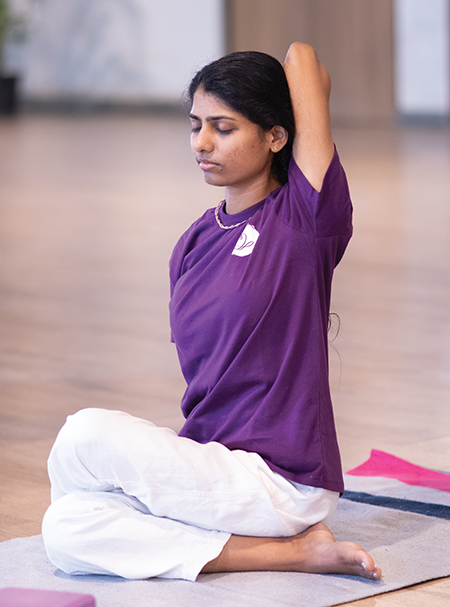
Her journey began during the COVID-19 lockdown, but yoga’s influence went beyond physical practice. It began to change her relationship with her own body.
She describes a shift from body shaming to appreciating her body, from seeing the body as something to be judged to experiencing it as a home.
This change also affected how she responded to life. As she reflects, yoga first changed her nervous system and influenced how she responded to inner and outer circumstances.
For Poonam, one of yoga’s most valuable lessons has been flexibility—not simply of the body, but of the mind.
She carries this adaptability into daily life.
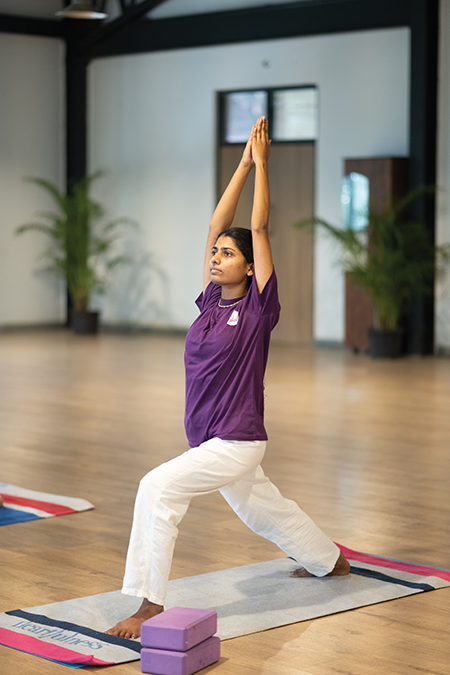
The practice of Brain–Heart Coherence can offer another practical reminder in this process of acceptance. Rather than fighting every uncomfortable emotion, we can learn to recognize what we feel, breathe gently, and meet ourselves with kindness.
Gratitude and compassion need not deny pain or difficulty. They can help us make space to experience them without letting them define our entire response.
Here is one of yoga’s fundamental teachings: flexibility is not only about how far the body can move. It is also about how gently the mind can adjust when life does not move as we expect.
For Poonam, one of yoga’s most valuable lessons has been flexibility—not simply of the body, but of the mind.
Yoga as a Bridge Between the Inner and Outer
For Ravi Balla, yoga is a connection—a bridge between the external and internal worlds that helps simplify life.
He describes a growing harmony with nature and a return to simplicity. He reflects on how the natural development of his voice and breathing has helped him make a positive impact on others’ lives.
For Ravi, yoga is not confined to the 45 minutes or one hour spent on the mat. Its value lies in bringing the essence of practice into everyday activities, helping us live with greater happiness and peace.
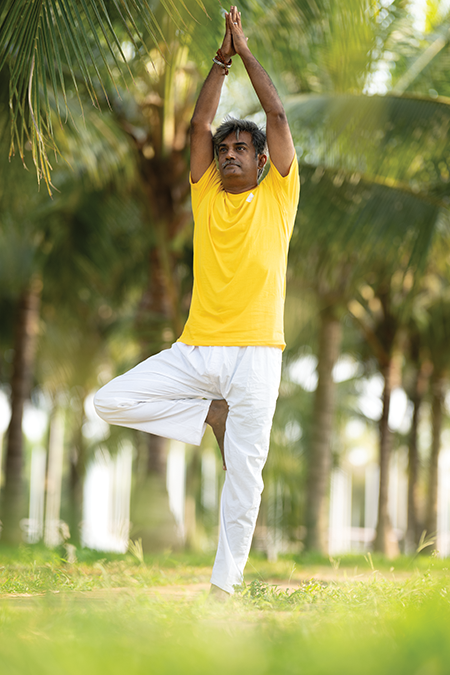
His perspective reminds us that the inner and outer worlds are not separate. The awareness we cultivate within can shape how we speak, act, relate to nature, and touch the lives of others.
A few moments of conscious breathing and heart-centered attention can bridge inner calm and outer action. Before an important conversation, during a demanding task, or when emotions begin to rise, we can pause and respond more mindfully.
This does not mean that we can control every situation or guarantee a particular emotional state. Rather, we develop the capacity to meet circumstances with more presence.
The bridge Ravi describes also connects practice and life, personal well-being and our relationships with the world around us.
When yoga accompanies us through ordinary activities, even the simplest moments can become opportunities to live with greater awareness, simplicity, and peace.
From Routine to Inner Connection
For Rachna Verma, the journey unfolded differently.
In the early years, yoga was largely a routine of asana, pranayama, prayer, and a few moments of stillness at the end of practice. It brought tangible benefits, including physical health and the strength to move through different phases of life.
Yet she discovered yoga’s deeper influence when she stopped practicing regularly.
Then she realized how much yoga had held her together—not only physically, but emotionally and intellectually, including how she made decisions.
This recognition changed what yoga meant to her.
Yoga became a way to stay connected with her inner self, which she describes as being connected to the Divine, the Master, or the Ultimate. As she puts it, “Give it any name.”
Her journey eventually took her from practitioner to teacher. After witnessing the physical, emotional, and psychological distress of families during the COVID period, she felt moved to become certified as a yoga teacher and share this knowledge with others.
For Rachna, yoga does not end when the practice ends.
The principles cultivated during practice accompany us through the rest of the day. For her, this gradually becomes an ongoing process of working with the mind and ego, ultimately moving toward surrender and devotion.
She connects this understanding with tapas, svadhyaya, and isvara-pranidhana—discipline, self-study, and surrender.
A regular self-practice that includes gentle breathing, meditation, and cultivating gratitude can support this inward turn. Brain–Heart Coherence, approached as a practical exercise in mindful breathing and emotional awareness, can be one component of that practice—not a replacement for the wider discipline of yoga.
The deeper work is continued self-observation: recognizing habitual reactions, studying our patterns, and gradually aligning our thoughts, words, and actions with our values.
Her journey reminds us that yoga can be both a personal transformation and a call to share what we have discovered with others.
Yoga as Practice—and as the Goal
For me, yoga is both the journey and what it moves toward. It is both the process and the goal—an experiential journey that allows me to reach my true potential.
This perspective brings together two dimensions that can sometimes be separated: practice and experience.
For me, yoga is both the journey and what it moves toward. It is both the process and the goal—an experiential journey that allows me to reach my true potential.
The journey may begin with improving asana, understanding pranayama, or deepening meditation [dhyana]. But over time, the practice can open a broader way of seeing life.
Yoga has broadened my perspective and deepened my appreciation for life’s beauty, while helping me learn to work in harmony with my own body.
The learning continues beyond formal practice.
One of the most important lessons I carry into daily life is to pause and remain aware—to notice what is happening before responding. That pause creates space: space to observe, to understand, and to choose how to respond. This is also where the practice of Brain–Heart Coherence meaningfully connects with everyday yoga. By cultivating awareness of my breath and emotional responses, I can create space between an experience and my reaction.
This awareness extends into relationships. Yoga has also taught me to approach others with care, respect, and understanding, meeting them where they are. This is another way yoga moves from the mat into life: the practice gradually shapes not only how we hold the body, but also how we hold ourselves in the world.
Daaji reminds us of something even more fundamental:
“There is nowhere to go, nothing to seek. It is already with you.”
These journeys differ, yet each offers a glimpse of yoga as more than a formal practice.
One may come seeking physical well-being and discover self-acceptance. Another may begin with asana and pranayama and gradually discover an inner connection. Someone else may learn the value of pausing, observing, and responding rather than reacting. For another, yoga may become a bridge between inner awareness and outer action, or a path toward teaching, service, and surrender.
And in our own daily self-practice, we may explore the relationship between breath, emotional responses, and physiological regulation through Brain–Heart Coherence. And so, slowly, what we practice becomes how we live.
FROM THE HEARTFULNESS YOGA ACADEMY
Heartfulness Yoga Academy offers accredited, tradition-rooted programs that integrate asanas, pranayama, and Heartfulness Meditation with Yogic Transmission for a holistic approach to yoga.

Bhushan Bhukte
Bhushan is a certified yoga teacher with over 12 years of experience. He develops Yoga Certification Board–aligned teaching materials and therapeutic yoga modules for various health conditions. At the Heartful... Read More
