
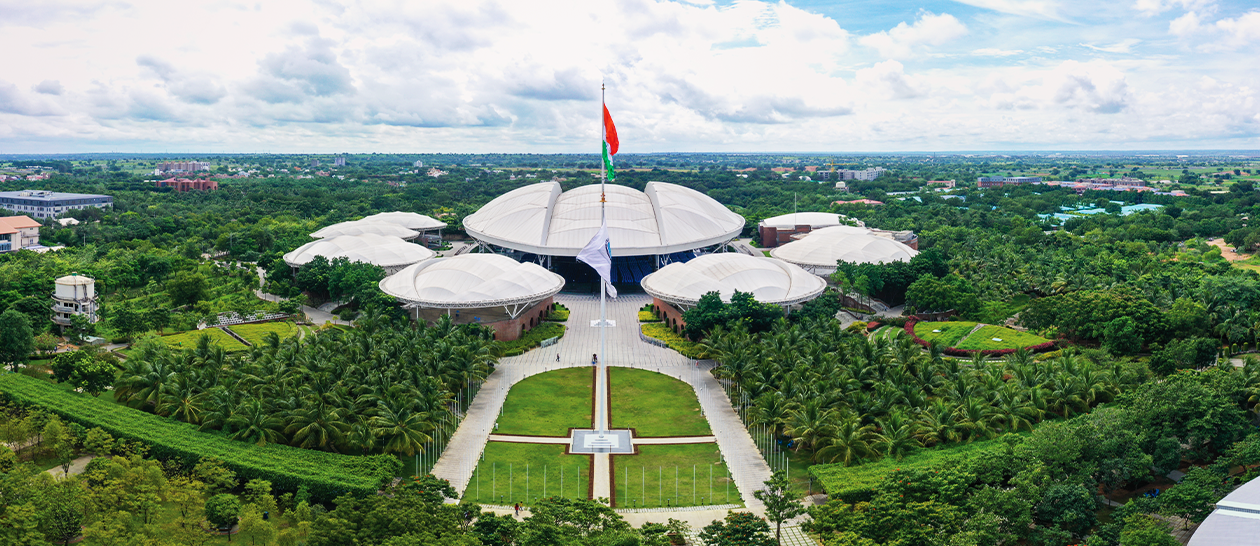
At Kanha Shanti Vanam, ecological restoration puts inner transformation into action, restoring land, water, biodiversity, and agriculture while extending its benefits to surrounding communities.
BY SRIRAM RAGHAVENDRAN
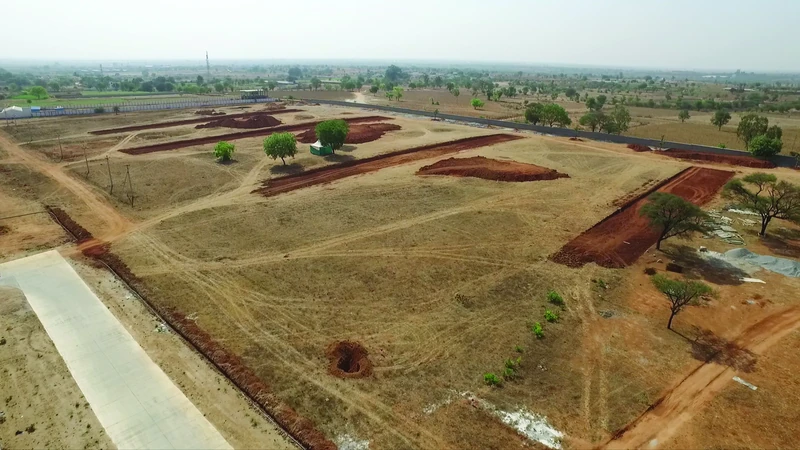
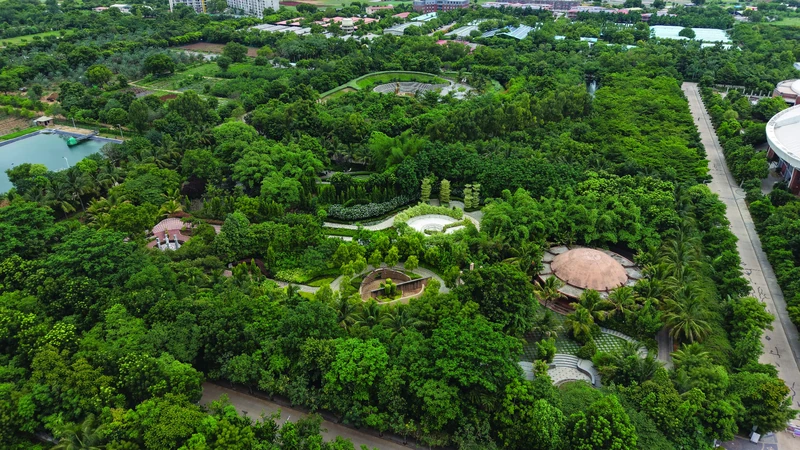
Visualize this: The year is 2015. A barren land on the outskirts of a city—about 1,500 acres of it. Barely 200 trees on the entire land. The water table is at 1,200 feet below ground. Red soil that is porous with no ability to retain water and nutrients, low soil organic carbon, conditions so poor that agriculture has come to a complete stop in the many villages around the area. Biodiversity? The thought would not even cross our minds when we look at such a desolate place. The land appears worthless, and there are no takers.
Kanha Shanti Vanam, the headquarters of the Heartfulness Institute, was built on this desolate land in less than 10 years. Today, it is considered a case study in ecological restoration. The rainwater harvesting structures and lakes on campus have raised the water table by 1,000 feet. Over 200,000 trees dot the landscape, some of which have grown 50–60 feet in this short period. Biodiversity is back. Over 1,000 endemic tree and plant species have been planted here, including more than 80 endangered and threatened species. Over 170 species of birds have been reported, including migratory birds. Agriculture has returned, not only at Kanha but also in the 50 villages around it. Nestled amidst this young jungle and greenery is the world’s largest meditation center that can accommodate over 100,000 people at one time.
Why would a spiritual organization undertake such activities in ecology, environment, and agriculture? How does it all come together?
Heartfulness is a journey in inner transformation. It works at the mental level to reduce distraction and strengthen focus, at the emotional level to cultivate balance, and at the level of character to refine individual qualities. There are innumerable qualities in a human being, and the ability to refine these qualities and transcend them is what inner growth and development are all about. That is the goal of Heartfulness.
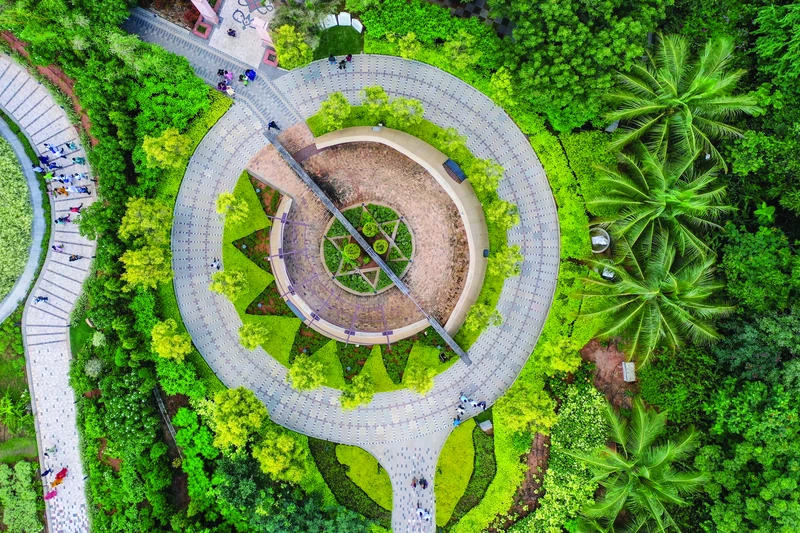
But is inner transformation alone enough? Should not this inner transformation reflect in the world outside us? What use is it to say that I have changed if my intentions, words, and actions have not changed? As on the inside, so on the outside. Proof that an individual has transformed must be evidenced by their actions. Spirituality is the journey toward perfection. A highly developed person thinks, speaks, and acts exactly as is appropriate in any given situation—nothing more, nothing less.
Daaji, the spiritual guide of the Heartfulness movement, says that the United Nations has codified the world's maladies extremely well in the 17 Sustainable Development Goals. But he adds that the most important—the root cause of these maladies—is missing: thought pollution. Most of the world’s problems arise and persist due to greed, possessiveness, ungenerousness, and self-centeredness, combined with a crass indifference to others.
It is his submission that thought pollution should be added as the 18th Sustainable Development Goal, because, unless the individual human being is transformed, it is not possible to bring about lasting change in the world. This is Heartfulness's role in the world: to provide the tools for inner transformation to one and all, free of charge, globally.
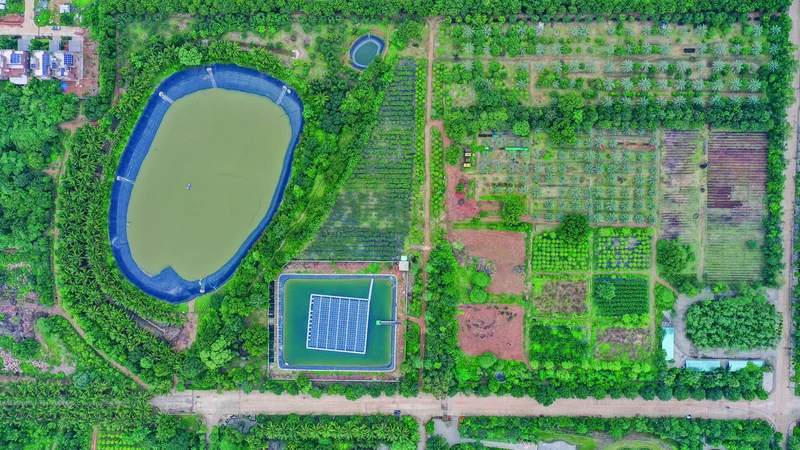
To symbolize this symbiotic relationship between the inner and outer, Kanha Shanti Vanam cannot restrict itself to inner transformation alone. Although meditation and inner transformation are the heart of the activities at Kanha Shanti Vanam, Heartfulness also runs over 200 initiatives across ecology, environment, agriculture, education, health and wellness, livelihood, sports, and research. Today, Kanha is emerging as an innovation center, where new ideas are incubated for the benefit of all. Thousands of practitioners, deeply touched by the spiritual practice, make these operations possible by volunteering their time to guide these initiatives. Kanha aims to start a new culture in which human beings devote time to refining themselves, experiencing fundamental inner transformation, caring not only for themselves and their families but for others and for Mother Earth, taking only as much as is required and giving back far more than one takes.
These are yet small beginnings, but they point toward the world we should aspire to leave our children and those who come after them. Aspiration alone is not enough. It must be backed by action, and it has to start with us.
FROM FORESTS BY HEARTFULNESS
Forests by Heartfulness nurtures and protects native, endemic, and endangered plant species through expert-guided nurseries, plantation drives, long-term monitoring, and community participation.
