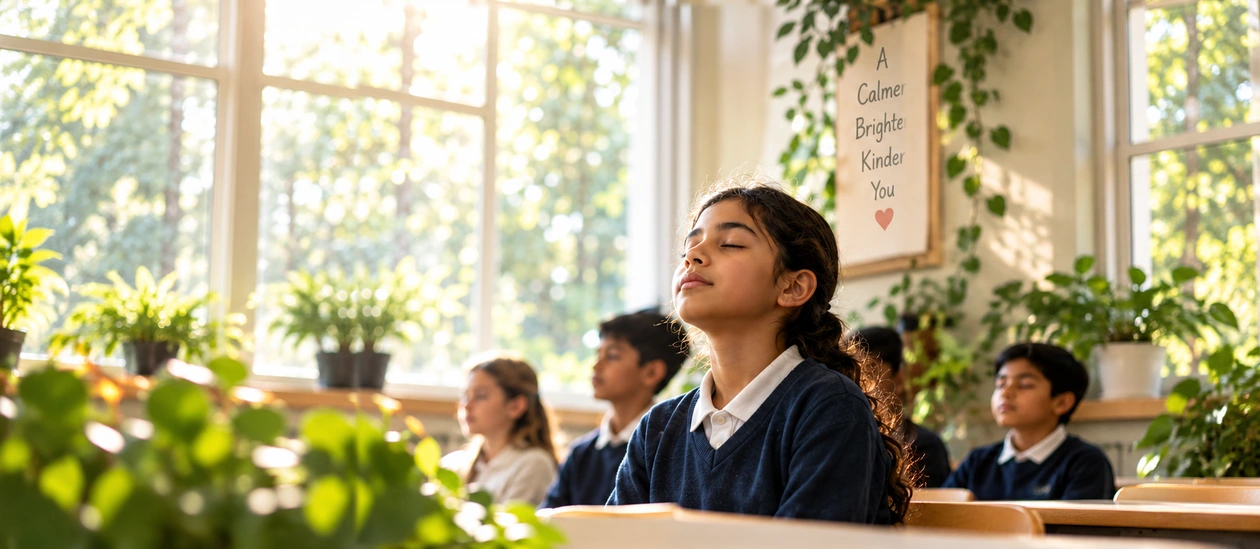
Bring Social-Emotional Learning to Life
Using the PAUSE → CONNECT → REFLECT framework, students can build social-emotional skills through emotional check-ins, relaxation and connection activities, and reflection, making SEL a practical part of everyday school life.
BY RANJANI IYER
We often talk about social-emotional learning (SEL) as a collection of skills: self-awareness, self-management, empathy, relationship skills, and responsible decision-making. But children rarely develop these capacities by simply being told about them. We learn to listen by listening, to regulate ourselves by practicing regulation, and to understand others by experiencing meaningful connection.
Over the years, our experience has taught us that social-emotional learning becomes most powerful when it moves from knowing to experiencing. A child may understand what empathy means, but the deeper learning happens when they pause to listen to a classmate’s experience. A student may know breathing can help with stress, but the learning becomes real when they practice it before a challenging moment. The Heartfulness Program for Schools approach brings this experiential dimension to life through a simple framework: PAUSE → CONNECT → REFLECT.
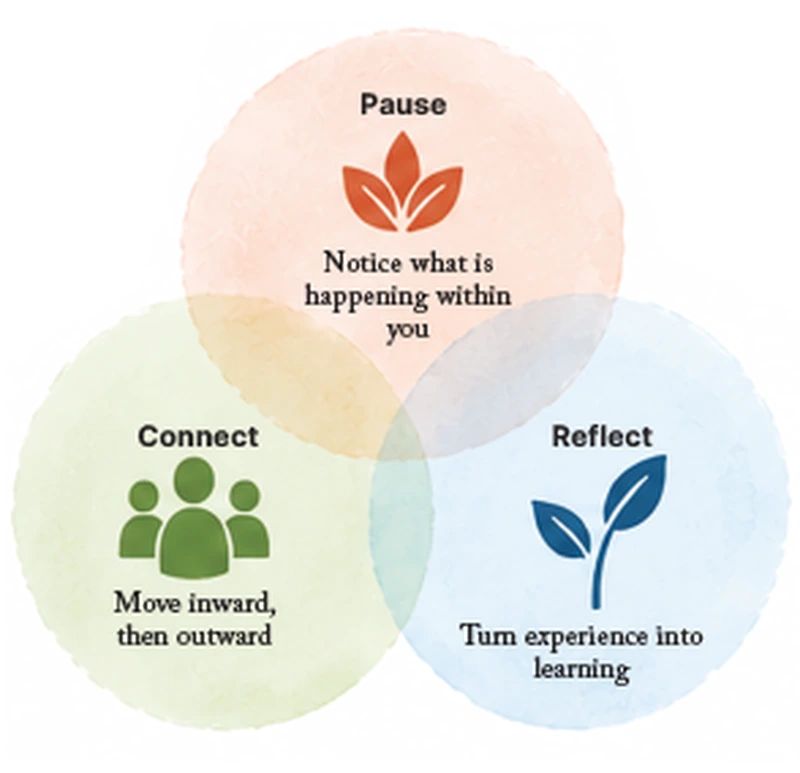
PAUSE: Begin by noticing
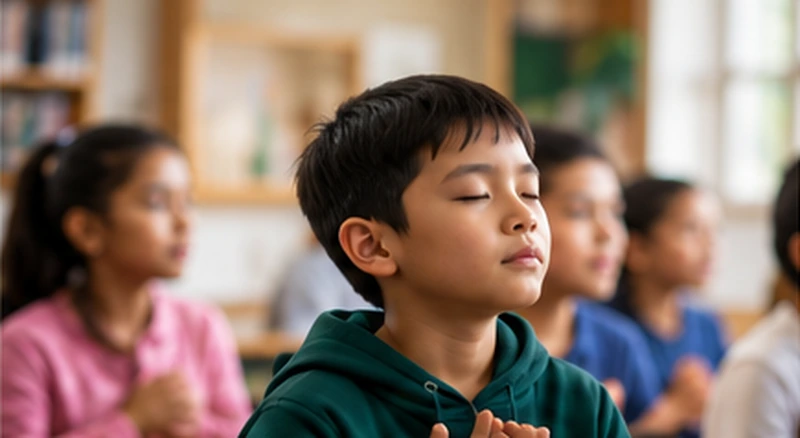
The first step is developing the ability to notice what is happening within us. A classroom might begin with a simple question: How are you feeling today? Students may identify an emotion, share something they are grateful for, or simply pause and notice what is present.
These moments can seem deceptively simple. Yet naming an emotion creates some distance from it. “I am angry” can gradually become “I notice that I am feeling angry.” That small shift can create the possibility of choice.
Heartful Schools has long incorporated age-appropriate activities around emotions, positivity, self-observation, journaling, and decision-making. The existing curriculum ranges from helping younger children recognize and face emotions to guiding older students to observe themselves and tune in to their hearts when making decisions.
CONNECT: Move inward, then outward
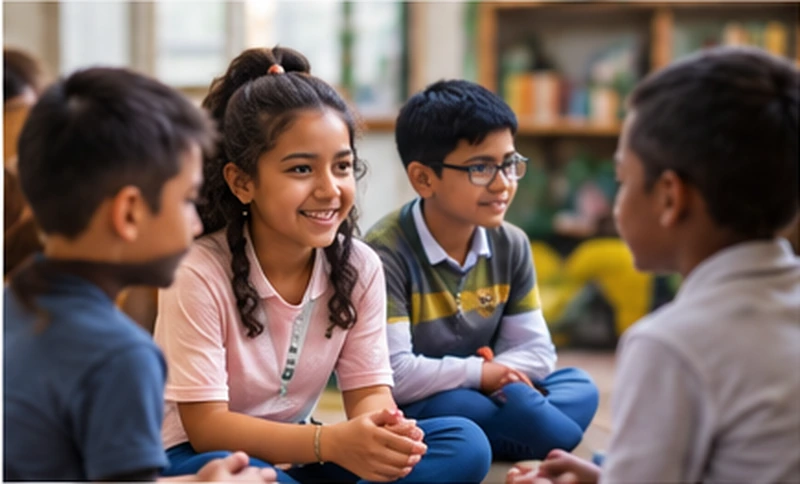
Awareness naturally creates an opportunity for connection. Students can begin with a simple relaxation or breathing practice to help their bodies and minds settle. From there, the experience can move outward through partner listening, appreciation activities, meditation, kindness circles, collaborative challenges, or problem-solving.
The important element is that these are experiences, not lectures. Students are not merely told to be compassionate; they experience what it means to listen without interrupting. They are not simply instructed to collaborate; they encounter different perspectives as they solve a problem together.
In one Heartful Schools activity, for example, students might work together to build or create something, encounter disagreement, revise their approach, and discover that the quality of their communication affects the outcome. The SEL learning is embedded in the experience itself.
This is also why movement, art, stories, games, journaling, and creative projects have such an important place in the approach. Heartfulness programs intentionally use engaging activities to help students discover values and social-emotional capacities through participation and self-discovery rather than preaching.
REFLECT: Turn experience into learning
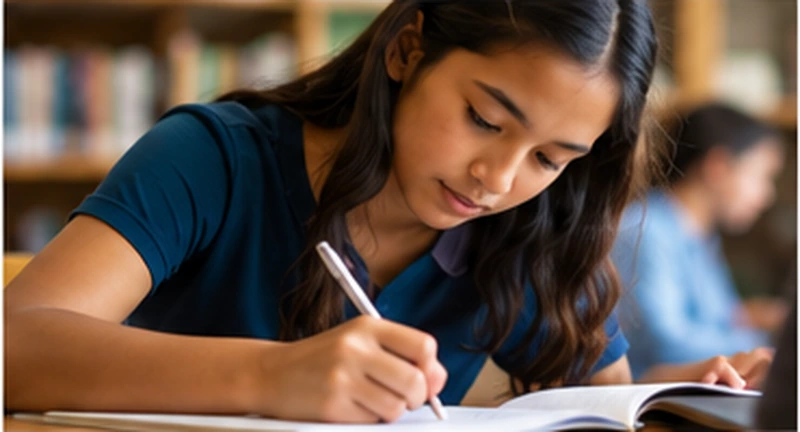
The third step is often the one we overlook: reflection.
After an experience, students can ask: What did I notice? What did I learn about myself? How did I affect someone else? What would I do differently next time?
Reflection transforms an activity into learning. A student who recognizes, “I became frustrated when my idea wasn’t accepted, but taking a breath helped me listen to someone else’s idea,” has learned something they can carry into the next classroom, friendship, competition, or family interaction.
This three-step process can happen within 10 minutes. A simple morning circle can include a two-minute emotional check-in, four minutes of relaxation and connection, and two minutes of reflection or intention-setting. The Heartful Schools model has used this adaptable structure in school and summer settings, making it possible to integrate SEL without creating another large curriculum burden.
A simple practice for everyone
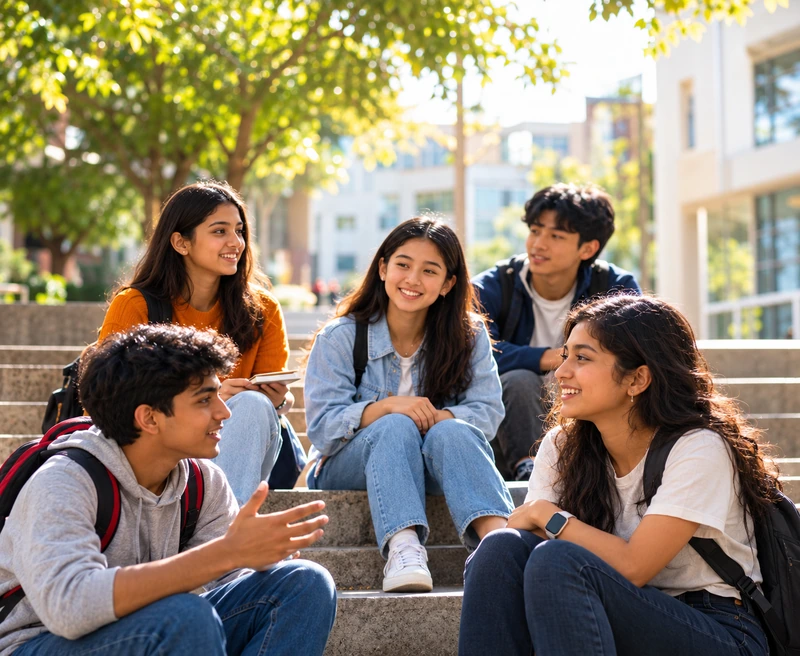
The beauty of Pause - Connect - Reflect is that it does not belong only in a formal SEL lesson. A teacher can use it before a difficult class. A parent can use it after a disagreement. A school leader can use it to begin a staff meeting.
Pause: What am I noticing in myself right now?
Connect: Can I pause, breathe, listen, meditate, or connect before I respond?
Reflect: What did I learn, and what intention will I carry forward?
This can take five minutes or less.
We have seen how these simple practices can become part of a larger school culture. For example, schools can combine intentional positivity, self-care activities, student leadership, and Heartfulness practices to create opportunities for students and staff to feel seen, heard, and valued. Similarly, Heartfulness resources and lessons create a welcoming space where school communities build emotional awareness, strengthen positive peer relationships, and develop self-confidence and resilience.
This is the real promise of experiential SEL: we stop treating emotional and social development as something students are supposed to know and begin creating opportunities for them to practice it every day.
The goal is not to create perfectly calm children or eliminate difficult emotions. It is to help young people develop the awareness to notice, the tools to regulate, the courage to connect, and the wisdom to reflect.
When these experiences become part of the rhythm of school life, SEL is no longer another program added to the curriculum. It becomes a way to learn, relate, and grow. And perhaps that is where education becomes truly holistic: not when we add more to what children learn, but when we transform how they experience learning and themselves within it.
FROM THE HEARTFULNESS PROGRAM FOR SCHOOLS
The Heartfulness Program for Schools cultivates lifelong skills for emotional well-being, self-awareness, resilience, empathy, and compassionate leadership through evidence-based practices, educator support, and whole-school implementation that enables students and school communities to flourish.
North America: heartfulschools.org
All other regions: heartfulness.org/education/training-and-curriculum/

Ranjani Iyer
