
Yoga extends far beyond the mat, bringing breath, ethical awareness, self-study, and everyday choices into a living path of personal growth and spiritual practice.
BY BHUSHAN BHUKTE
Walk into almost any yoga studio today, and you will find people stretching, strengthening, and breathing—emerging calmer, lighter, more at ease. These are real gifts, and they matter. But they are only the beginning of what Yoga truly is.
The inner tradition of Yoga points to something far more expansive: a way of living that does not begin or end on the mat. It is not a practice we pick up and put down. As the ancient teachers understood, it is a conscious art of being—one that quietly transforms every corner of our daily life.
At its heart, Yoga is the movement from vikshepa—the fragmented, restless, distracted mind—toward wholeness, inner stillness, and awakened awareness. That shift does not happen only during an hour of asana. It happens in the kitchen, at the office, in traffic, and in the middle of a difficult conversation. It happens, or it doesn’t, in the way we live.
व्याधिस्त्यानसंशयप्रमादालस्याविरतिभ्रान्तिदर्शनालब्धभूमिकत्वानवस्थितत्वानि चित्तविक्षेपास्तेऽन्तरायाः
vyādhi-styāna-saṁśaya-pramāda-ālasya-avirati-bhrānti-darśana-alabdha-bhūmikatva-anavasthitatvāni citta-vikṣepāḥ te antarāyāḥ
Disease, mental stagnation, doubt, carelessness, laziness, inability to withdraw from sensory indulgence, false perception, failure to reach the intended stage of practice, and instability in sustaining a stage once reached—these are the distractions of the mind [citta-vikṣepa] and the obstacles [antarāya] on the path of Yoga.
—Yoga Sutra 1.30
दुःखदौर्मनस्याङ्गमेजयत्वश्वासप्रश्वासा विक्षेपसहभुवः
duḥkha-daurmanasya-aṅgamejayatva-śvāsa-praśvāsāḥ vikṣepa-sahabhuvaḥ
Pain [duḥkha], mental distress, and despondency [daurmanasya], bodily restlessness and tremor [aṅgamejayatva], and irregular inhalation and exhalation [śvāsa-praśvāsa] are the companions of these mental distractions.
—Yoga Sutra 1.31
Yoga as a Culture of the Self
One of Daaji's most beautiful teachings is that human life is not merely a biological fact—it is a sacred opportunity for conscious evolution. In this light, yoga becomes a form of self-culturing: a steady, patient refinement of how we think, feel, and act.
विशोका वा ज्योतिष्मती
viśokā vā jyotiṣmatī
Steadiness of the mind may also be attained [by meditating upon] the inner radiant luminosity that is free from sorrow.
—Yoga Sutra 1.36
This tradition rests on three interwoven pillars:
- Inner transformation over physicality: While physical well-being matters deeply, the deeper purpose of Yoga is to cleanse the subtle body of the samskaras, the accumulated impressions and impurities that shape our unconscious patterns.
- Svadhyaya [self-observation]: Regular, honest self-study allows us to see our habits, emotional tendencies, and behavioral patterns with clarity and compassion, rather than judgment.
- Conscious evolution: By gently turning our attention from outer distraction toward inner refinement, Yoga becomes a continuous, living practice—a round-the-clock orientation to life rather than a scheduled event.
Yogic science, in this sense, is the art of quieting the subconscious mind and integrating the whole personality. Its deepest aim is chitta prasadanam—mental serenity—and samatvam, the equanimity that remains stable even in the face of life’s inevitable ups and downs.
मैत्रीकरुणामुदितोपेक्षाणां सुखदुःखपुण्यापुण्यविषयाणां भावनातश्चित्तप्रसादनम्
maitrī-karuṇā-mudita-upekṣāṇāṁ sukha-duḥkha-puṇya-apuṇya-viṣayāṇāṁ bhāvanātaḥ citta-prasādanam
The mind attains clarity and serenity [citta-prasādanam] by cultivating friendliness toward those who are happy, compassion toward those who suffer, sympathetic joy toward those who are virtuous, and equanimity toward those engaged in non-virtuous actions.
—Yoga Sutra 1.33
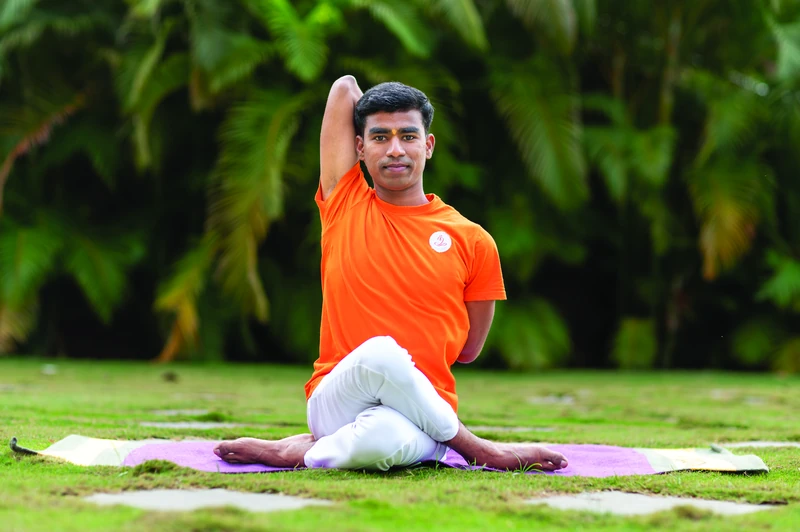
Practice: Gomukhasana
Gomukhasana encourages balanced posture, openness through the chest and shoulders, and steady self-awareness. It reminds us that Yoga is a process of harmonizing the body and mind through patient self-cultivation.
Skill in Action: Yoga Beyond the Mat
बुद्धियुक्तो जहातीह उभे सुकृतदुष्कृते । तस्माद्योगाय युज्यस्व योगः कर्मसु कौशलम् ॥
buddhi-yukto jahātīha ubhe sukṛta-duṣkṛte | tasmād yogāya yujyasva yogaḥ karmasu kauśalam ||
One who acts with wisdom [buddhi] transcends both good and bad acts in this very life. Therefore, devote yourself wholly to Yoga—for Yoga is excellence and skillfulness in action.
—Bhagavad Gita 2.50
The Bhagavad Gita offers one of the most grounded definitions of Yoga: not a pose, not a breathing technique, but skill in action. Every act, when performed with awareness, sincerity, and freedom from ego, becomes an expression of Yoga.
This means that Yoga must show up in the texture of ordinary life—not as a performance, but as a natural quality of presence. Consider how differently we might move through the day if we approached each of these as part of our practice:
- How we speak: Are our words considered, kind, and honest?
- How we eat: Are we nourishing ourselves with awareness, or consuming unconsciously?
- How we respond to stress: Do we react from habit, or pause and respond with steadiness?
- How we treat others: Are our interactions rooted in patience and genuine care?
- How we direct our thoughts: Are we feeding clarity and compassion, or rumination and agitation?
A sincere Yoga practitioner cannot spend one hour in quiet awareness and then live the remaining 23 hours unconsciously. True Yoga asks for integrity—a seamless thread of awareness running through all of life. This is what the tradition calls all-encompassing sadhana: the understanding that once we step onto this path, everything becomes part of the practice.
तीव्रसंवेगानामासन्नः
tīvra-saṁvegānām āsannaḥ
For those whose aspiration is profound and whose practice is carried forward with earnestness and intensity, self-realization is near.
—Yoga Sutra 1.21
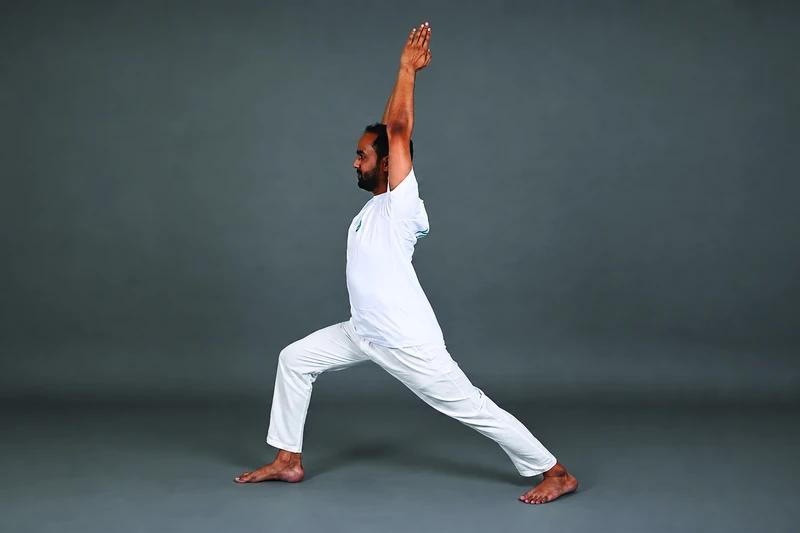
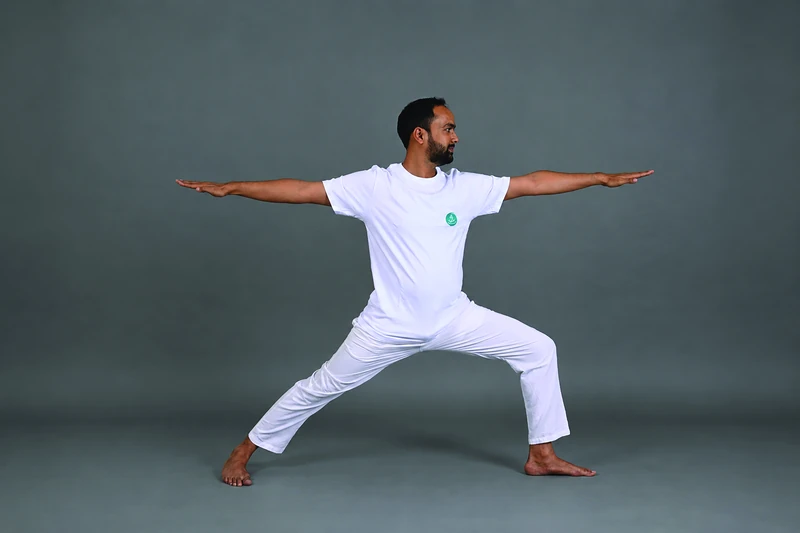
Practice: Virabhadrasana I and II
The Virabhadrasana series cultivates strength, stability, courage, and focused awareness. These qualities support the yogic ideal of “skill in action” [yogaḥ karmasu kauśalam], helping us meet life’s challenges with steadiness and purpose.
A Deeper Understanding of Health
The inner tradition defines health not simply as the absence of illness, but as a dynamic state of harmony between body, mind, emotions, and spirit. Many stress-related challenges in modern life arise from drifting away from our inner balance.
Yoga seeks to restore this balance through:
- Conscious breathing and pranayama
- A lifestyle aligned with natural rhythms
- Disciplined and intentional thought
- Right diet and nourishment
- Ongoing self-study and reflection
- A living connection to our spiritual nature
In this way, Yoga functions both as prevention—helping us stay well—and as transformation, gradually reshaping the way we experience life from the inside out.
हेयं दुःखमनागतम्
heyaṁ duḥkham anāgatam
The suffering that has not yet arisen is to be prevented.
—Yoga Sutra 2.16
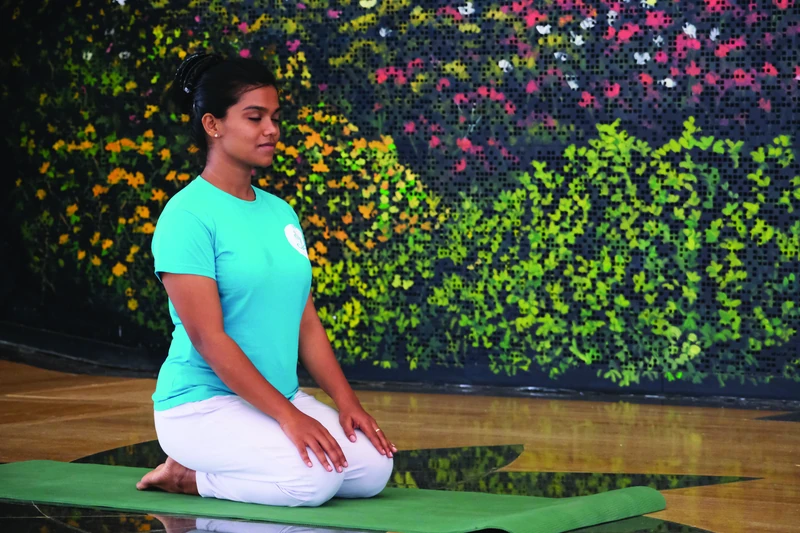
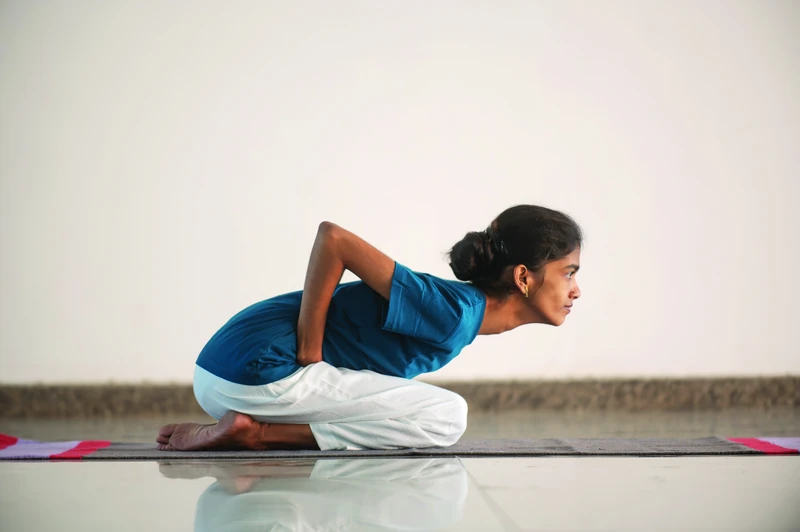
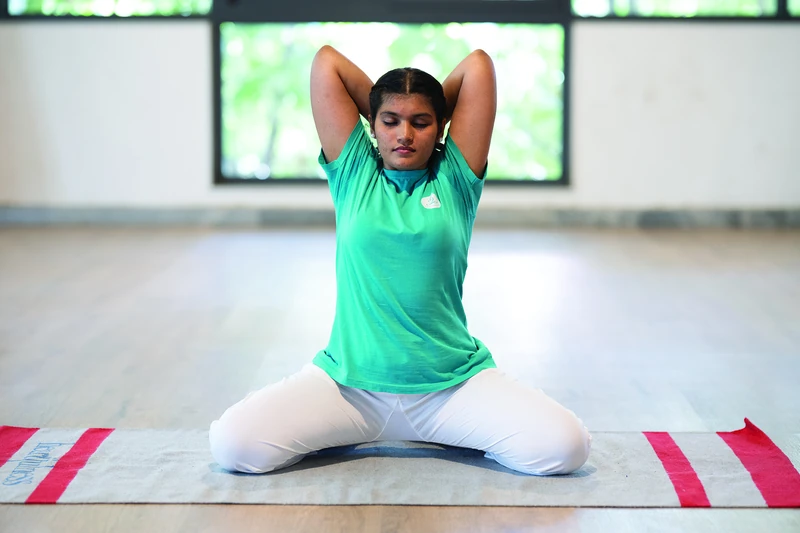
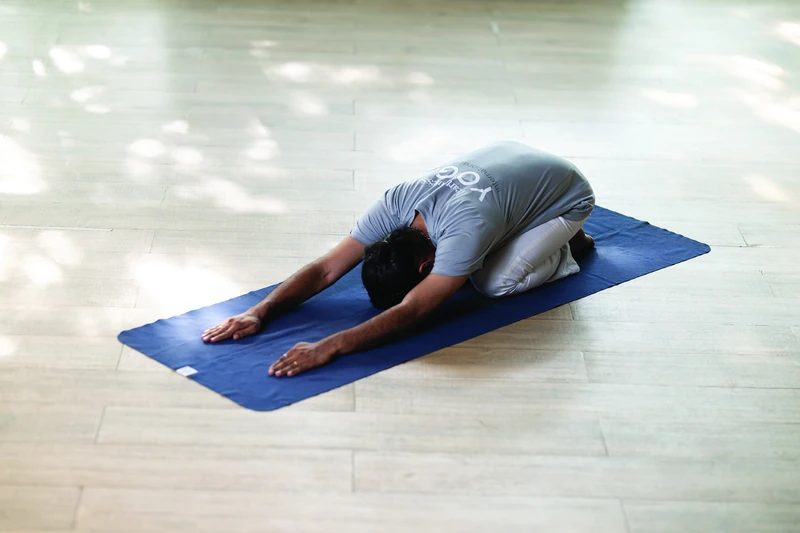
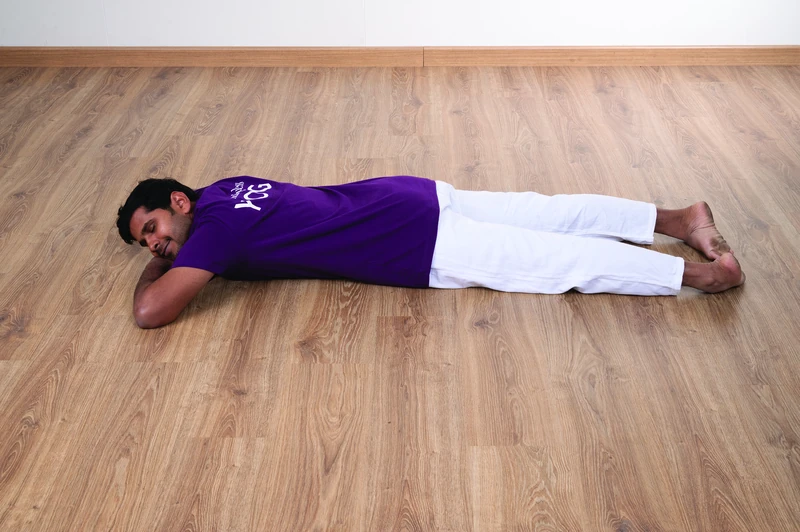
Practice: Vajrasana, Mandukasana, Uttana Mandukasana, Shashankasana, Makarasana
These postures support healthy digestion, relaxation, and balanced breathing while calming the nervous system. Together they reflect Yoga’s holistic approach to health, restoring harmony between body, breath, and mind.
Yama and Niyama: The Ethical Roots
Without ethical grounding, even the most advanced physical or breathing practices remain surface-level. Daaji consistently returns to yama and niyama—Yoga's foundational ethical principles—as the soil in which genuine practice can take root.
Living these values is not about moral perfection. It is a daily, humble effort. These values include:
- ahimsa [non-violence]: in our speech, thoughts, and choices
- satya [truthfulness]: with ourselves as much as with others
- saucha [purity]: of body, mind, and environment
- santosha [contentment]: the quiet art of being enough, right now
- svadhyaya [self-study]: the courage to look honestly at ourselves
अहिंसासत्यास्तेयब्रह्मचर्यापरिग्रहा यमाः
ahiṁsā-satya-asteya-brahmacarya-aparigrahāḥ yamāḥ
Non-violence [ahiṁsā], truthfulness [satya], non-stealing [asteya], wise moderation of vital energy [brahmacarya], and non-possessiveness [aparigraha]—these five constitute the Yamas, the foundational ethical restraints of Yoga.
—Yoga Sutra 2.30
Living Yoga means choosing patience over reaction, awareness over impulse, gratitude over grasping, and compassion over self-centeredness—not once, but again and again, in ordinary moments throughout the day.
वितर्कबाधने प्रतिपक्षभावनम्
vitarka-bādhane pratipakṣa-bhāvanam
When the mind is disturbed by negative or harmful thoughts [vitarka], one should actively cultivate their opposite [pratipakṣa-bhāvana]—countering destructive patterns by deliberately turning the mind toward their antidote.
—Yoga Sutra 2.33
Breath: The Bridge Between Worlds
In the Yoga tradition, breath is considered sacred. Daaji places particular emphasis on this teaching: Breath is life. Pranayama—often translated simply as breathing exercises—is, at a deeper level, a way to refine consciousness itself.
तस्मिन्सति श्वासप्रश्वासयोर्गतिविच्छेदः प्राणायामः
tasmin sati śvāsa-praśvāsayoḥ gati-vicchedaḥ prāṇāyāmaḥ
Once steadiness in posture [āsana] is established, prāṇāyāma is the conscious regulation and refinement of the flow of inhalation and exhalation.
—Yoga Sutra 2.49
Most of us breathe shallowly and unconsciously, mirroring the mind's restlessness. When we bring awareness to the breath—slowing it, deepening it, steadying it—something remarkable happens: the mind begins to follow. Agitation settles. The scattered self slowly becomes integrated.
प्रच्छर्दनविधारणाभ्यां वा प्राणस्य
pracchardana-vidhāraṇābhyāṁ vā prāṇasya
Mental tranquility may also be attained through the conscious, regulated exhalation and gentle retention of the breath [prāṇa].
—Yoga Sutra 1.34
ततः क्षीयते प्रकाशावरणम्
tataḥ kṣīyate prakāśāvaraṇam
Through this practice, the veil of mental impurities that obscures the inner light of consciousness is gradually removed.
—Yoga Sutra 2.52
धारणासु च योग्यता मनसः
dhāraṇāsu ca yogyatā manasaḥ
As a result, the mind becomes fit and prepared for sustained concentration (dhāraṇā).
—Yoga Sutra 2.53
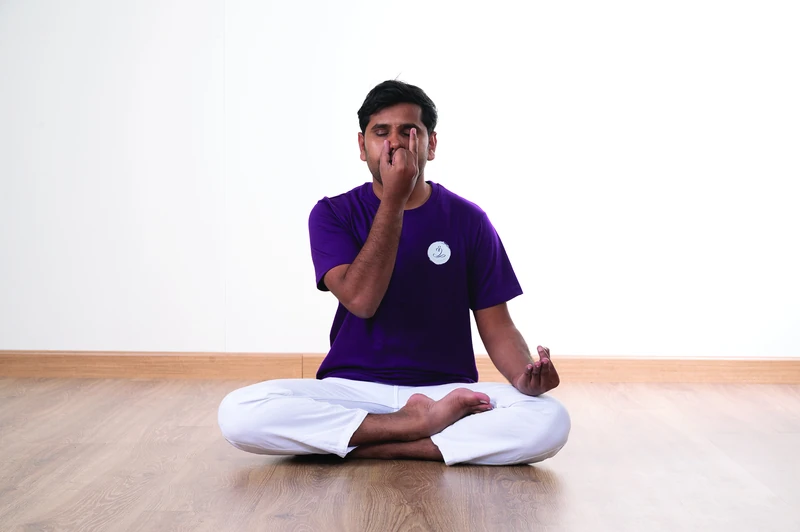
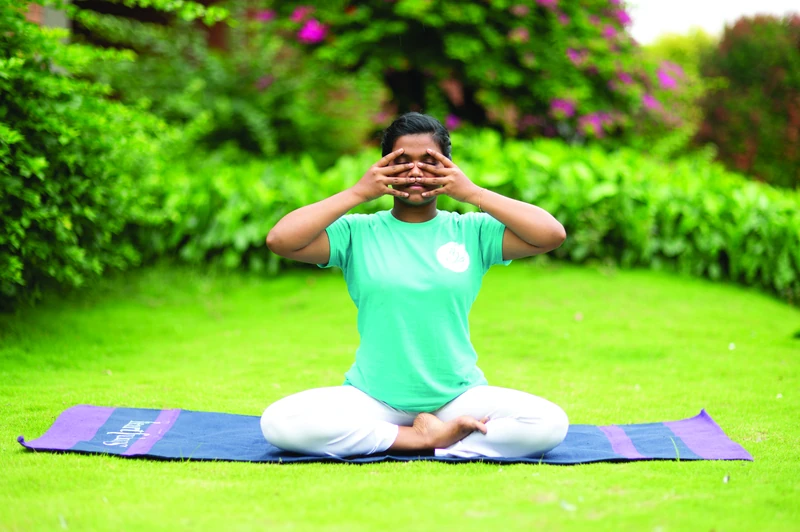
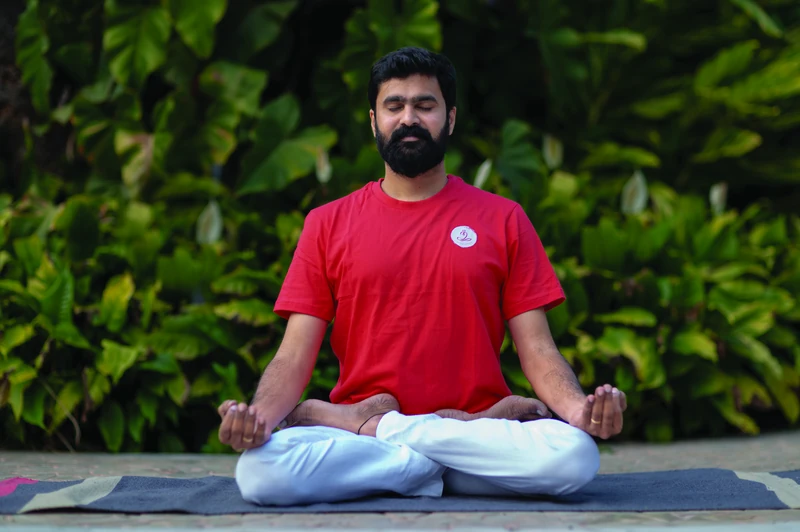
Practice: Nadi Shodhana Pranayama, Bhramari Pranayama, Ujjayi Pranayama
These pranayama practices gently regulate the breath, quiet mental fluctuations, and cultivate inner awareness. They show how conscious breathing bridges the outer and inner dimensions of Yoga.
Yoga Reshapes Who We Are
Perhaps the most profound promise of the inner tradition is this: Yoga, practiced sincerely over time, gradually reshapes the personality from within. The body becomes steadier, emotions more balanced, the intellect clearer, and the spirit more open.
The result is not a flawless, unshakeable saint. It is something more human and more beautiful: a person who is increasingly awake—more patient in difficulty, more present in joy, more compassionate in connection, more honest in relationship.
Yoga is never about escaping life. It is about showing up to life more fully, more gracefully, and more truly as ourselves.
Living Your Yoga, Every Day
The inner tradition of Yoga is ultimately a journey of conscious living—not a destination we reach, but a quality of awareness we cultivate, moment by moment, day by day.
When this understanding takes root, the boundaries of the mat dissolve. Our thoughts become a form of practice. Our speech becomes a form of practice. Our relationships become mirrors for growth. Our daily actions—however small or ordinary—become our highest sadhana.
To live your Yoga is to transform ordinary existence into sacred living.
As the great spiritual masters remind us, Yoga's aim is not merely physical health or mental calm, though these naturally follow. Its deepest aim is a profound inner awakening: to participate in the world fully, consciously, and harmoniously, and to be established in our highest nature.
That awakening does not wait for the perfect retreat or the next yoga class. It begins here—in this breath, this moment, this choice.
FROM THE HEARTFULNESS YOGA ACADEMY
Heartfulness Yoga Academy offers accredited, tradition-rooted programs that integrate asanas, pranayama, and Heartfulness Meditation with Yogic Transmission for a holistic approach to Yoga.

Bhushan Bhukte
Bhushan is a certified yoga teacher with over 12 years of experience. He develops Yoga Certification Board–aligned teaching materials and therapeutic yoga modules for various health conditions. At the Heartful... Read More
