
Evaluating What Truly Supports Student Well-Being
How can schools measure the impact of student well-being programs? A Heartfulness for Schools elective shows how evidence-based assessment can reveal changes in student stress and mental well-being.
BY RANJANI IYER
The most meaningful educational initiatives are those that go beyond inspiration and aim to create a measurable impact on students' lives. Doing so requires the willingness to ask a deeper question:
Is this initiative truly making a difference, and what evidence supports that conclusion?
As schools increasingly invest time, resources, and trust in social-emotional learning (SEL) and well-being initiatives, evidence-based practice has become essential. Programs designed to support emotional resilience, stress management, empathy, attention, and overall well-being must also demonstrate their impact through meaningful data and research.
When the Heartfulness for Schools initiative began in 2016, this understanding was already central to our conversations. We brought together an extraordinary group of experienced educators, school leaders, counselors, and practitioners who recognized a growing challenge in modern education: while schools were successfully developing academic intelligence, many students still struggled emotionally, socially, and psychologically. Educators increasingly recognized that education could no longer focus exclusively on academic achievement. Students needed support in developing self-awareness, emotional regulation, resilience, empathy, and inner balance alongside intellectual growth.
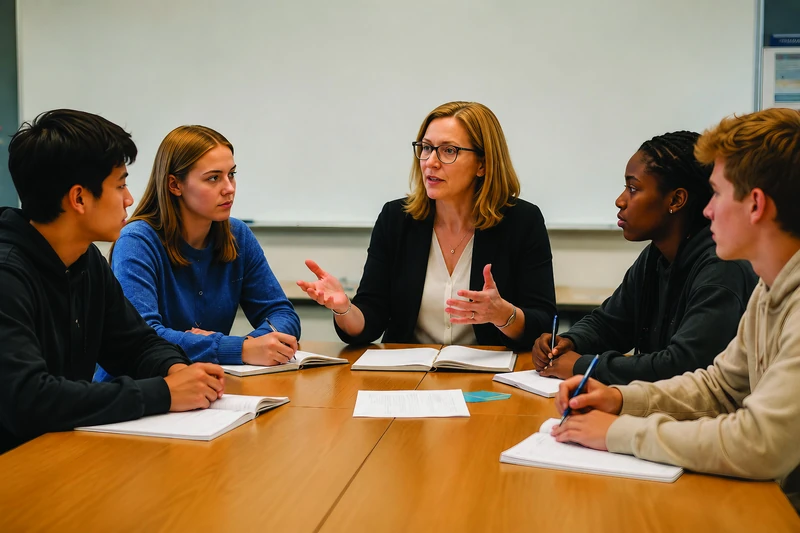
In the program's early years, I designed and taught a semester-long elective titled Calm in the Midst of Chaos: Relaxation in a Stressful World. The course grew from a simple observation: students lived in environments of constant stimulation, pressure, competition, distraction, and stress, yet few had been taught practical tools to regulate their emotions and mental states.
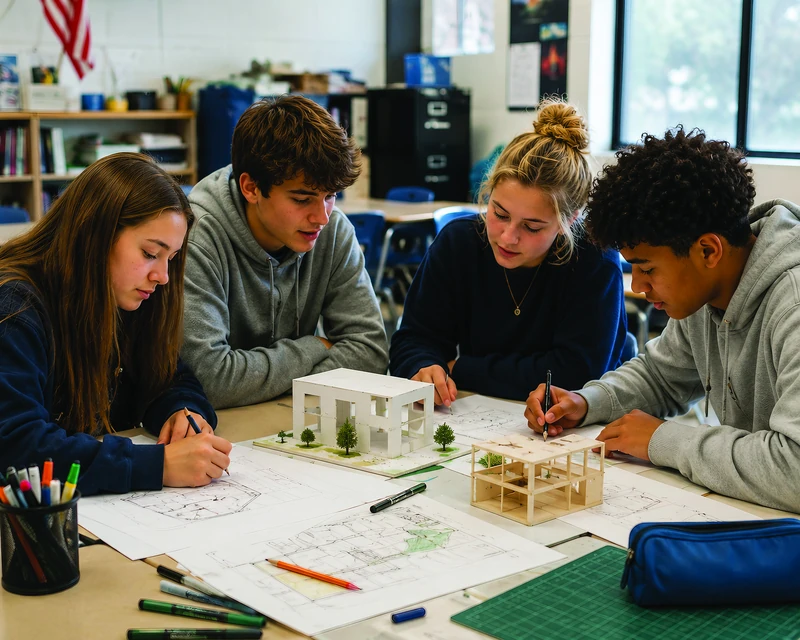
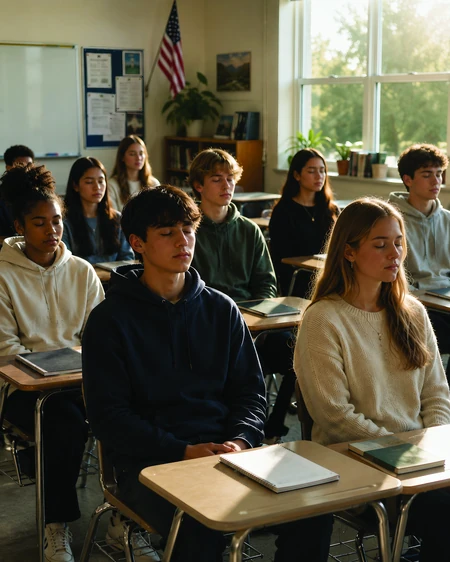
Each of the 12 lessons began with a simple three-minute relaxation practice. Students were introduced to tools developed by the Heartfulness Institute, including relaxation techniques, breathing exercises, and affirmations. However, the course was not designed as a passive wellness experience. It was intentionally experiential, collaborative, and creative. Students worked together to imagine and design stress-free environments through brainstorming, sketching, prototyping, planning, testing, digital tools, paintings, and artifacts. They learned to collaborate creatively, troubleshoot challenges, revise ideas, and reflect on their emotional experiences throughout the process. At the end of the course, students presented their projects along with evaluations of their design process and learning.
What made this experience particularly meaningful was that the school and participating students agreed to evaluate the elective’s impact through formal pre- and post-program assessments using two validated instruments: the Perceived Stress Scale (PSS), which measures perceived stress, and the Warwick-Edinburgh Mental Wellbeing Scale (WEMWBS), which assesses positive mental well-being.
PSS
- Perceived Stress Scale
- Measures perceived stress

WEMWBS
- Warwick- Edinburgh Mental Wellbeing Scale
- Assesses positive mental well-being
This step was important because well-being programs in education are too often implemented without sufficient evaluation. Educators may observe anecdotal improvements, but without systematic assessment, it becomes difficult to understand what is truly working, for whom, and under what conditions. Data helps programs move beyond intuition to evidence-informed practice.
The study's findings were encouraging. The research, later published in the peer-reviewed, PubMed-indexed American Journal of Health Behavior, showed measurable improvements in student well-being and reductions in perceived stress after participation in the course.
Beyond the numerical outcomes, the evaluation reinforced what many educators intuitively recognize: when students are given intentional opportunities to pause, reflect, regulate their emotions, and connect with themselves, the effects can extend beyond stress reduction. Students often become more attentive, collaborative, emotionally balanced, and open to learning itself.
When students are given intentional opportunities
to pause, reflect, regulate their emotions, and
connect with themselves, the effects can extend
beyond stress reduction. Students often become
more attentive, collaborative, emotionally
balanced, and open to learning itself.
The study's publication represented more than academic validation. It demonstrated that contemplative and social-emotional approaches could be evaluated rigorously in educational settings using established research tools and measurable outcomes. This evidence also contributed to the Heartfulness program's inclusion in the evidence-based SEL program pool recognized by the Collaborative for Academic, Social, and Emotional Learning (CASEL), a leading organization advancing social-emotional learning worldwide.
Yet perhaps the most important lesson from this journey was not simply that the program showed positive outcomes. It was the realization that research itself can play a transformative role in education. When schools and organizations commit to studying impact carefully, they create opportunities for continuous improvement, deeper understanding, and greater educational credibility. Research helps educators refine practices, identify meaningful outcomes, better understand student needs, and build confidence among school leaders, families, and policymakers. Most importantly, evidence-based inquiry creates a culture of reflection rather than assumption.
The early research on Heartfulness for Schools did not become an endpoint. Instead, it became the beginning of a larger inquiry. Those initial findings opened pathways for further studies exploring the impact of Heartfulness practices on stress, loneliness, emotional well-being, quality of life, attention, and overall student development across diverse educational contexts.
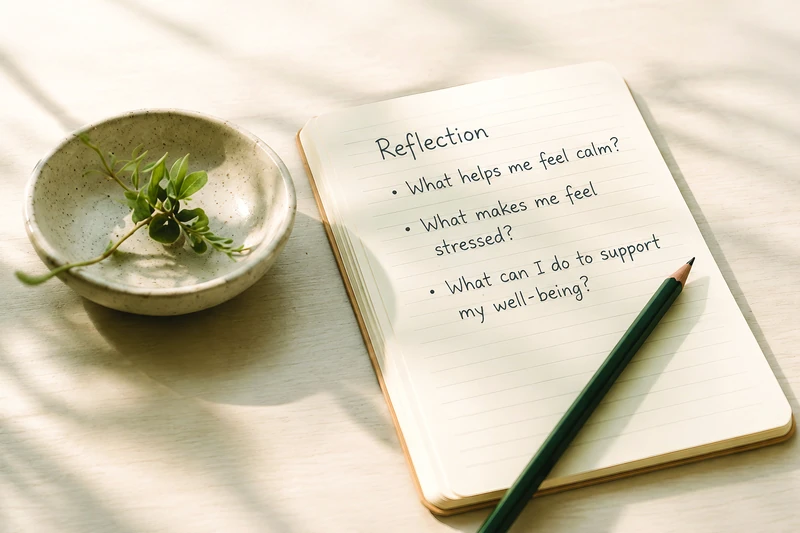
As educators and school leaders continue exploring approaches that support student well-being, several lessons emerge from this journey. Good intentions alone are not enough; programs designed to support students must also be evaluated through meaningful evidence and measurable impact. Academic intelligence and emotional intelligence cannot be separated if schools truly hope to prepare students for the complexities of modern life. Even small intentional practices such as relaxation, reflective pauses, and emotionally safe classrooms can meaningfully influence how students learn, collaborate, and respond to stress.
Research plays an essential role in strengthening educational innovation by helping schools move from assumptions to evidence-informed practice while refining programs based on real student needs. Finally, the future of education may depend on our ability to nurture students who are not only knowledgeable but also compassionate, resilient, self-aware, and emotionally balanced individuals.
Lasting transformation in education begins when we are willing to continually learn from the students we seek to serve. This is how meaningful educational change grows—not simply through inspiring ideas, but through thoughtful practice, careful observation, and evidence-based reflection.
FROM HEARTFULNESS RESEARCH
Heartfulness Research studies the effects of meditation from both neuroscientific and qualitative perspectives.
heartfulnessinstitute.org/research/


Ranjani Iyer
