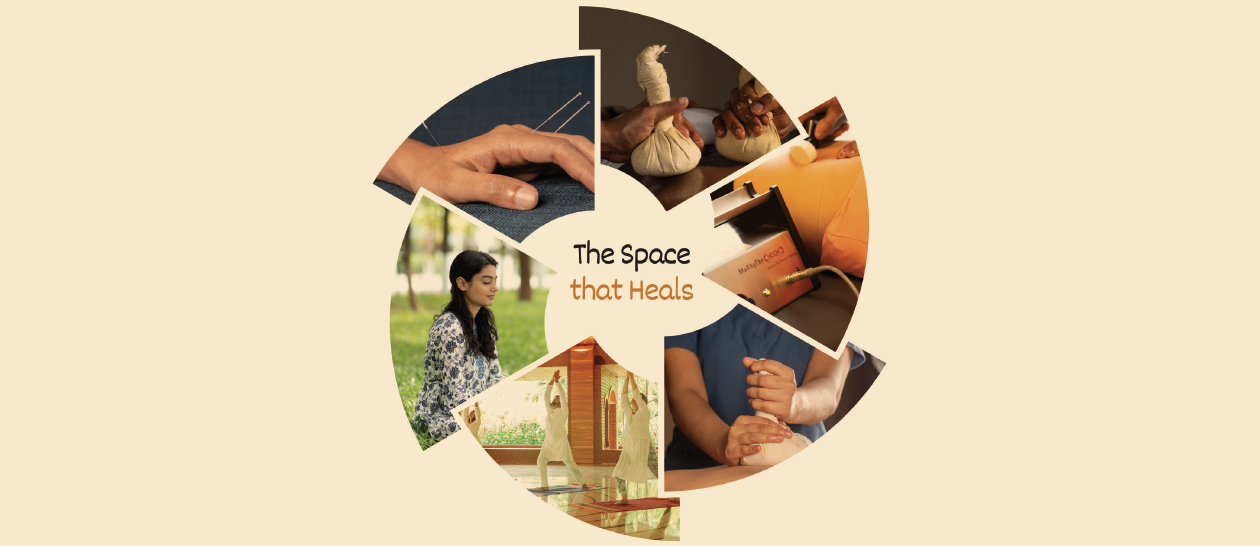
Where Tradition Meets Modern Science for Holistic Well-Being
Integrative wellness unites modern medicine with traditional wellness practices such as yoga, meditation, mindful eating, sleep awareness, and stress management to support prevention, emotional balance, nervous system balance, and holistic well-being.
BY DR. SAMEERA
Life moves quickly. Between work, responsibilities, and daily routines, we keep moving forward without really noticing how we feel. A little fatigue becomes normal, sleep gets delayed, and meals become irregular. The body begins to feel stiff, while the mind stays busy even after the day ends.
Healthcare today is evolving beyond simply treating illness. People are increasingly seeking ways to stay healthy, improve their lifestyles, and achieve balance in both body and mind.
Despite advances in medical technology and access to health information, lifestyle disorders such as diabetes, obesity, stress, sleep disturbances, and chronic fatigue continue to rise. This has created a growing awareness that true well-being depends not only on medical treatment, but also on daily habits, emotional health, and overall lifestyle.
This is where the concept of integrative wellness becomes critical.
Bringing Two Systems Together
Integrative wellness combines the strengths of modern medicine with traditional wellness practices. Rather than seeing them as separate or opposing systems, it focuses on how both can work together to support long-term health.
Modern medicine plays a crucial role in diagnosis, emergency care, surgery, and disease management. Traditional wellness systems focus more on prevention, healthy routines, mindful eating, movement, emotional balance, and inner well-being.
Today, science is increasingly exploring what traditional systems have emphasized for centuries—that lifestyle, stress, sleep, and food habits have a major impact on health outcomes.
This integration creates a more complete and human-centered approach to healthcare.
Why Integration Matters Today
Many modern health conditions are closely linked to how people live their daily lives. Irregular eating habits, lack of physical activity, emotional stress, poor sleep, and constant mental pressure gradually affect overall health.
Integrative wellness places strong emphasis on prevention and sustainable lifestyle practices.
For example, health is not only about what we eat, but also when we eat. The body functions according to natural biological rhythms. Digestion and metabolism tend to work more efficiently during the daytime, while nighttime is better suited to repair, recovery, and rest.
Emotional health is equally important. Chronic stress can influence sleep, digestion, blood pressure, immunity, and physical energy. Increasingly, healthcare is recognizing that physical and mental well-being are deeply interconnected.
The Growing Importance of Inner Wellness
Another important shift in healthcare today is the recognition of inner well-being.
Practices such as yoga, meditation, breath awareness, and mindfulness are increasingly being explored for their role in supporting relaxation, emotional resilience, and nervous system balance.
Integrative wellness therefore looks at the individual as a whole—body, mind, and inner state—rather than focusing only on isolated symptoms.
A More Balanced Future of Healthcare
Integrative wellness does not replace modern medicine, nor does it rely only on traditional practices. Instead, it encourages collaboration between the two.
Modern science offers powerful diagnostic and treatment tools, while traditional wellness systems emphasize prevention, balance, and conscious living. Together, they help create a more sustainable and balanced approach to health.
FROM WELLNESS BY HEARTFULNESS
Wellness by Heartfulness offers integrative care across Ayurveda, Naturopathy, Yoga, Heartfulness Meditation, and a range of complementary therapies, personalized under qualified physicians and healers.

Sameera
Dr. Sameera, BAMS, MD in Dravyaguna (Ayurvedic pharmacology), is a senior Ayurveda physician at Wellness by Heartfulness, Kanha Shanti Vanam, Hyderabad. Her work focuses on women’s reproductive and hormonal health, using evidence-informe... Read More
